
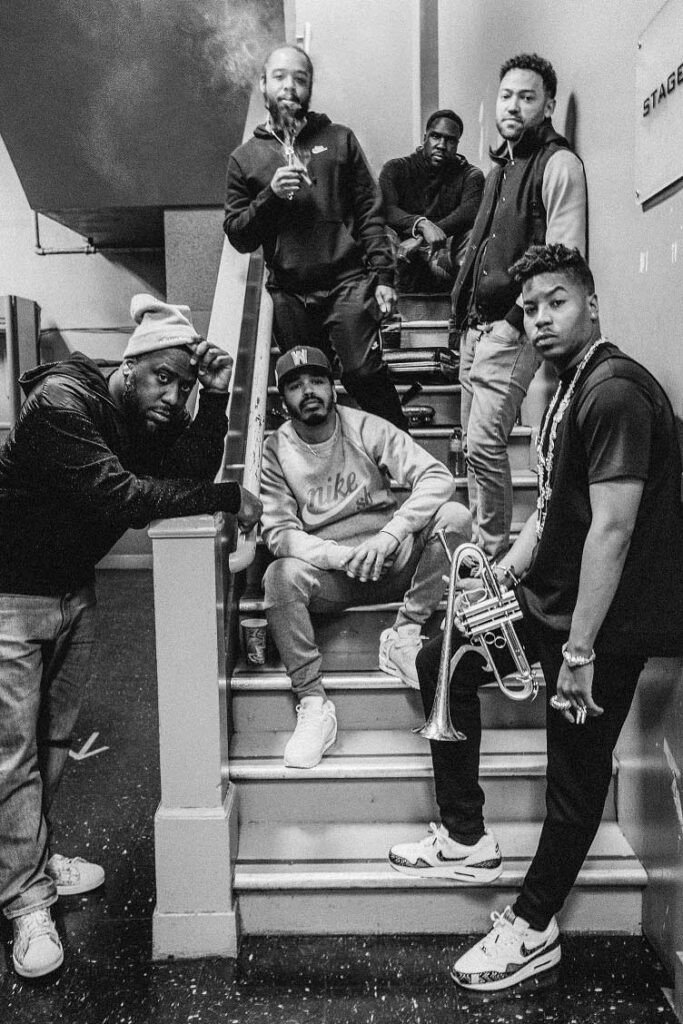
Nextbop is a jazz music blog dedicated to highlighting and celebrating jazz music as a contemporary art form.
The philosophy of Nextbop isn’t just about promoting jazz music to jazz lovers. It’s not even mainly focused on such a vision.
Nextbop is about appealing to everyone and noting jazz in its present moment in time as it relates to the vast possibilities within the genre over the past 100 years.
It’s about promoting jazz to the world. It’s about showing the indie rock crowd, the punk rock crowd, the hip hop crowd, the R&B crowd, the bluegrass crowd, and so many other scenes that this kind of music is great and it’s not so far off from what you’re used to hearing.
We shan’t limit ourselves to just one ideology for the sake of appeasing one crowd when the whole world can appreciate jazz music for its complexities.
Fresh Off the Press
Ella Fitzgerald’s 25 Most Popular Songs

Explore 25 of Ella Fitzgerald’s most popular songs, showcasing her timeless voice and emotional range.
Listen now and rediscover the magic!
What Instruments Are Used in Jazz?

What instruments are used in jazz?
Delve into the core components, influential players, and surprising additions that give jazz its unique sound!
Our Favorite Louis Armstrong Quotes
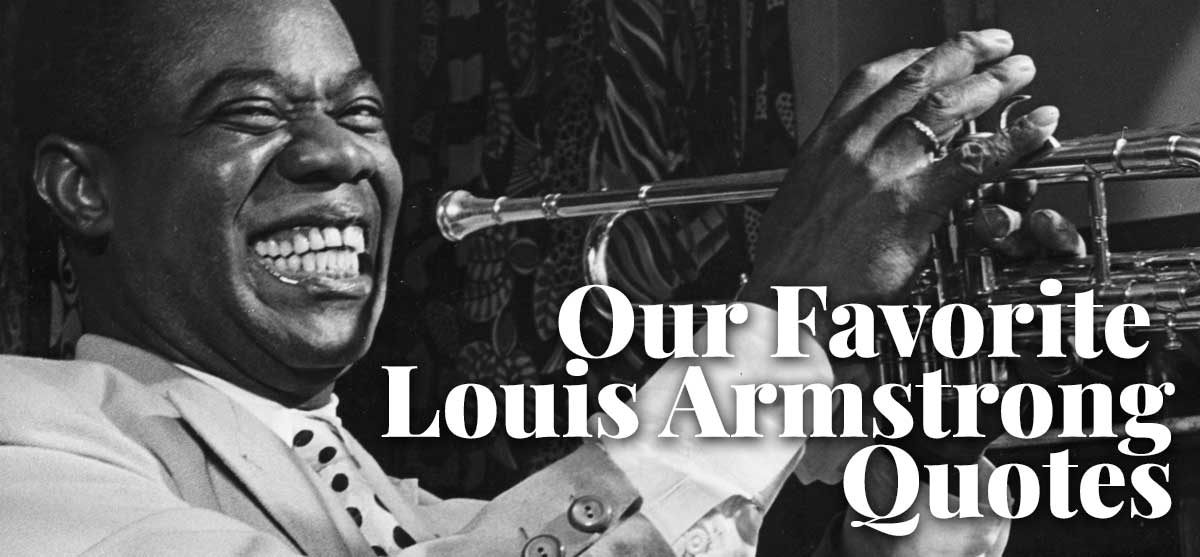
What’s the first Louis Armstrong quote that pops into your head?
His words about music, life, and that wonderful world always stay with us.
We’ve got a whole collection to share on the blog – check it out!
Most Popular Content
Best Jazz Albums of All Time
Jazz is a culturally rich music that has evolved tremendously over the last century, from jazz big bands to bebop, from hard bop to free jazz, and so much more.
So our list of the Best Jazz Albums of All Time aims in no way, shape, or form to be definitive and all-encompassing. We simply hope it will provide some avenues of exploration for you to fall in love with the vibrant contemporary art form that is jazz music!
So read on and discover some of the greatest jazz albums ever recorded by icons, the likes of Miles Davis, Herbie Hancock, John Coltrane, Robert Glasper, Wayne Shorter, Wynton Marsalis and more!!
Best Jazz Clubs in NYC: The Definitive Guide
New York City is a mecca for jazz enthusiasts, boasting an impressive array of world-class jazz clubs.
From historic venues that have hosted legends like John Coltrane and Miles Davis to cutting-edge clubs showcasing today’s most innovative young artists, NYC offers something for every jazz fan.
Check out our list of Best Jazz Clubs in NYC, where we explore the top jazz clubs in NYC, taking you on a tour of the rich history, vibrant present, and promising future of the New York jazz scene.
Exploring the Timeless Brilliance of Herbie Hancock’s 15 Greatest Hits
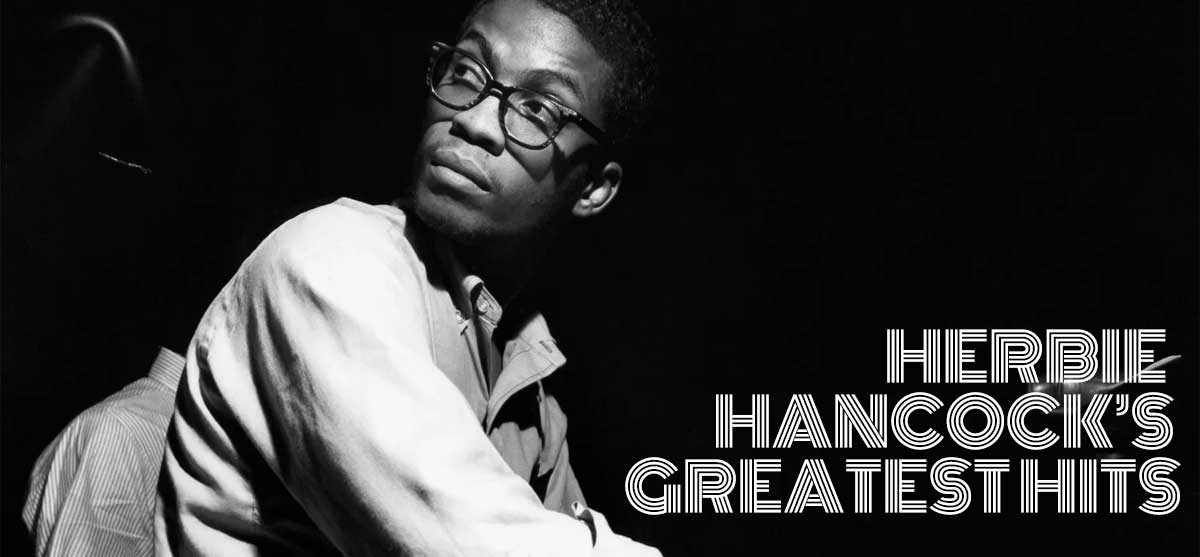
Herbie Hancock, an iconic figure in the world of jazz music, has left an indelible mark on the genre with his innovative compositions and groundbreaking performances.
His influence on jazz is immeasurable, and his hits continue to captivate audiences worldwide. In this article, we’ll delve into the evolution of Herbie Hancock’s sound and celebrate some of his most enduring hits.
From ‘What’s Going On’ to ‘Sexual Healing’: Marvin Gaye’s 18 Most Popular Songs

Marvin Gaye, often hailed as the “Prince of Soul,” stood as a legendary American singer, songwriter, and record producer, leaving an indelible mark on the hearts and souls of millions worldwide.
His velvety and soulful voice crafted a musical legacy that maintains its enthrallment over audiences to this very day.
Within this article, we embark on a journey through Marvin Gaye’s illustrious discography, delving into some of his most popular songs, and exploring the profound emotions and themes that solidified his status as an icon.
From ‘Take the A Train’ to ‘In a Sentimental Mood’: Unveiling the 20 Most Famous Duke Ellington Songs
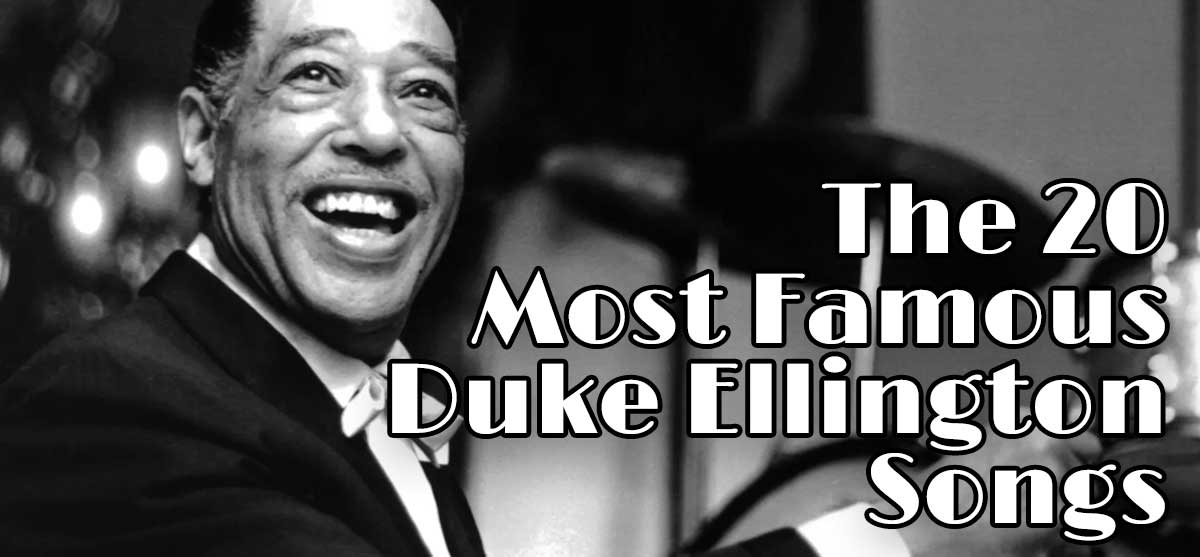
Duke Ellington, a luminary in the world of jazz and a true maestro of musical innovation, has gifted us with a treasury of timeless melodies that transcend generations.
In this article, we embark on a journey through the illustrious career of Duke Ellington, unveiling the 20 most famous Duke Ellington songs that have left an indelible mark on the annals of music history.
Best Rap Songs that Sample Jazz
Making a list of the best rap songs that sample jazz is a near-impossible task and there’s probably not enough ink on the internet to shout out all the great music deserving of praise.
So what we did here is compile some of our recent favorites with a special emphasis on newer artists (because we all know that if we start getting into the likes of A Tribe Called Quest, Gang Starr, and Digable Planets, we’ll be here for decades…)
Check out our list of best rap songs that sample jazz including music by Joey Badass, Westside Gunn, Talib Kweli, Mach-Hommy and more!
Newest Content
BADBADNOTGOOD: Profile and Complete Discography

Explore the world of BADBADNOTGOOD with our Band Profile and Complete Discography!
Dive into their unique fusion of jazz, hip-hop, and electronic music, tracing their evolution from breakthrough artists to global sensations.
Our guide covers all their albums making it a must-read for fans and newcomers alike.
The Ultimate Jazz Glossary
Dive into the heart of jazz with The Ultimate Jazz Glossary on Nextbop.com!
Unlock the secrets of jazz legends, explore groundbreaking concepts, and decode the language of this mesmerizing art form.
Whether you’re a jazz aficionado or a curious newcomer, our glossary is your ticket to a deeper understanding and love of jazz.
Start your journey into the soul of music today!
Jazz Musician Interviews
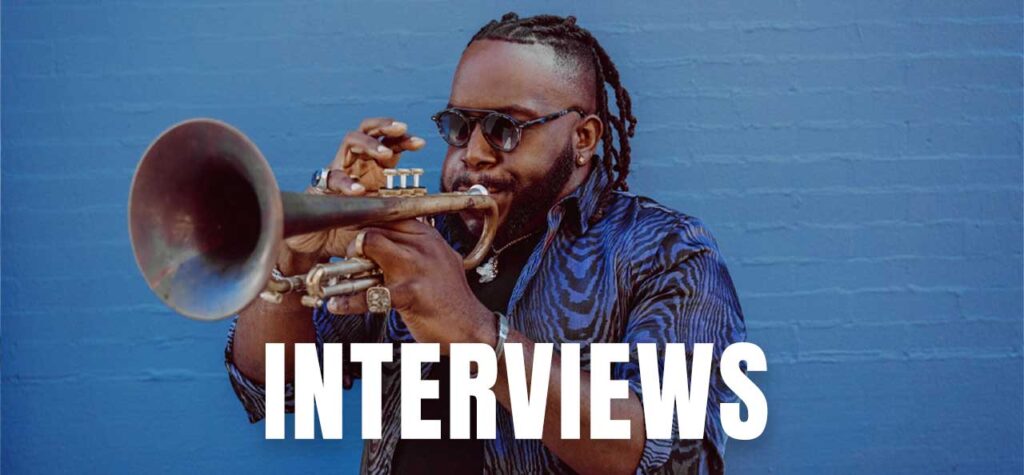
Explore Nextbop’s exclusive interviews with leading jazz musicians, offering in-depth insights and personal stories from the jazz world.
Mark Guiliana: Jazz Drummer Profile and Complete Discography
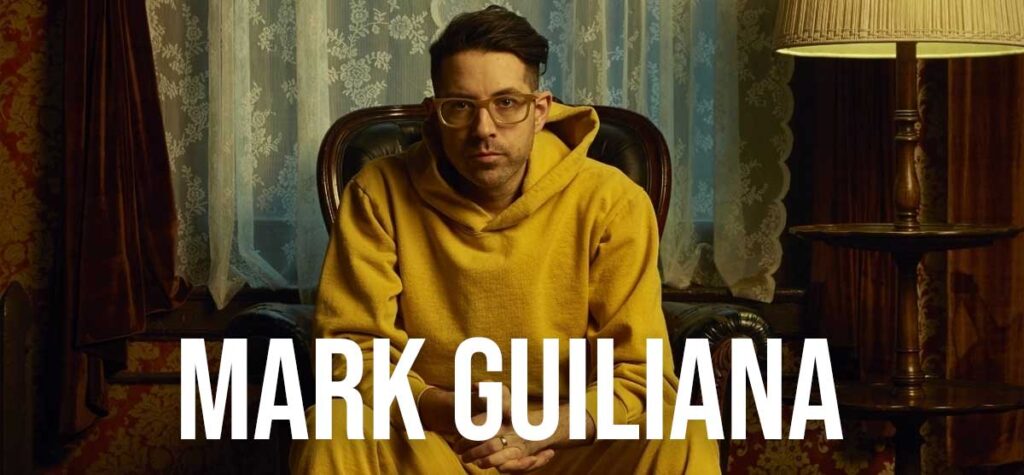
Explore Mark Guiliana‘s evolution as a drummer with an overview of his entire discography with his jazz quartet, Brad Mehldau, Beat Music & more!
Best of Jazz Articles
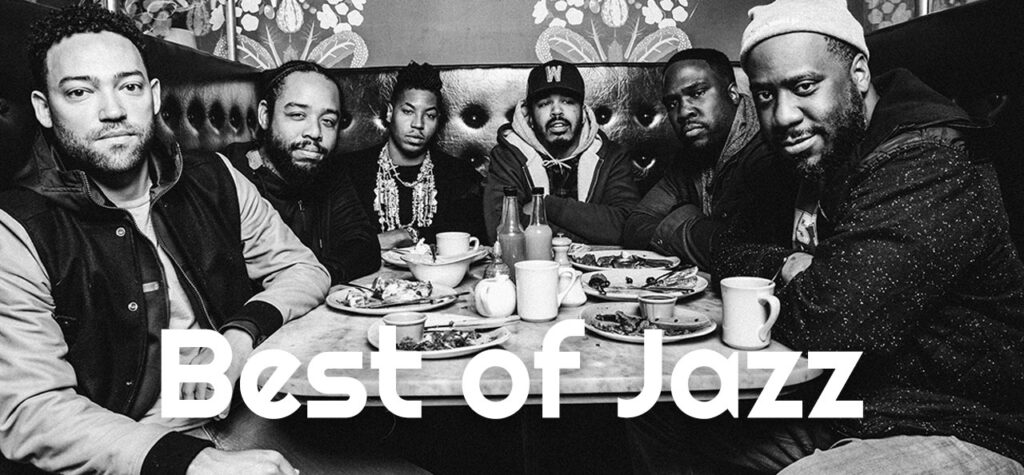
Dive into ‘Best of Jazz Articles‘ on Nextbop Jazz Blog, showcasing expert insights and deep dives into the world of jazz, from legends to new trends.
Best Covers for Songs: Jazz Edition
Explore ‘Best Covers for Songs: Jazz Edition‘ on the Nextbop Jazz Blog, featuring a curated selection of classic and contemporary jazz covers.
Best Gifts for the Jazz Vinyl Record Collector in Your Life

Dive into our curated selection of the best new jazz vinyl records featuring legends like Miles Davis, Thelonious Monk, and Bill Evans.
Our guide, Best Gifts for the Jazz Vinyl Record Collector in Your Life, showcases timeless classics and must-have albums for every jazz enthusiast.
Click to explore and find the perfect additions to your collection, from iconic figures to groundbreaking sounds in jazz.
Best Everybody Wants to Rule the World Covers
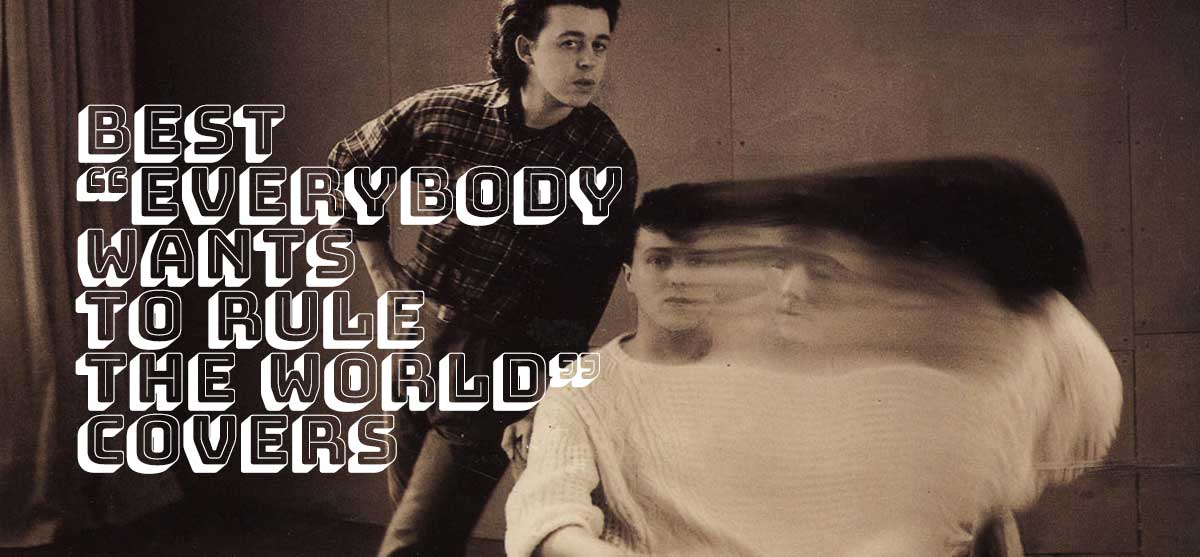
Tears for Fears‘ “Everybody Wants to Rule the World” is one of the eponymous anthems of the 80s and the song remains just as satisfying today as it ever was,
But since it’s initial 1985 release, “Everybody Wants to Rule the World” has been covered and revisited numerous times by a slew of incredibly talented artists and we felt compelled to highlight some of our favorites including music by the likes of Robert Glasper, Lettuce, Scary Pockets ft. Cory Henry and more!
So if you’re like us and want to rule the world one day, why not start by jamming out to some good music?
Unveiling the Legacy: Exploring the 22 Best Otis Redding Songs
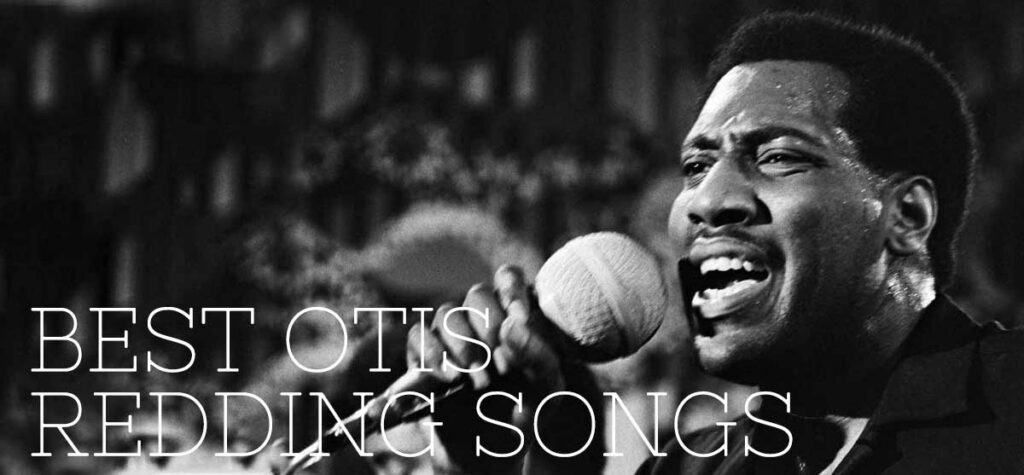
Immerse yourself in the unforgettable sounds of soul music. Let Otis Redding’s top 22 songs transport you, with classics like “(Sittin’ On) The Dock of the Bay” and the raw emotion of “These Arms of Mine.” It’s a musical journey you won’t forget.
Angélika Beener: A Confluence of Music, Writing, and Activism
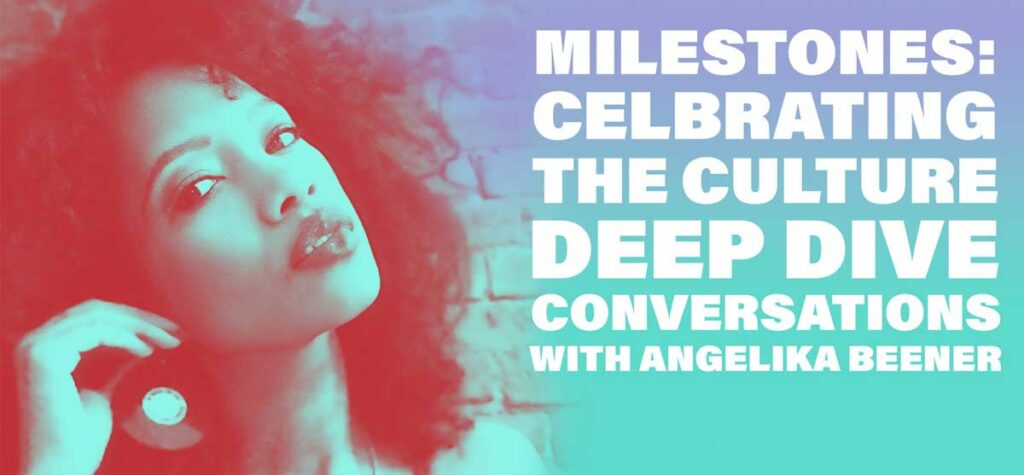
Angélika Beener is a New York City native, award-winning journalist, DJ, host, and producer who has made significant contributions to the worlds of writing, music, and activism.
Blog
-

Michael Jackson’s Human Nature: Analysis of Jazz Covers
Michael Jackson‘s “Human Nature” stands as a unique gem within his monumental Thriller album. Its introspective mood and smooth R&B shimmer offered a moment of quiet reflection amid the disco-infused … Read more
-
Bud Powell’s Hallucinations & Miles Davis’ Budo: Analysis Jazz of Covers
Jazz standards hold a unique place in musical history. Their melodies, harmonies, and overall structures serve as springboards for countless reinterpretations. Two compositions that exemplify this transformative power are Bud … Read more
-

Ornette Coleman’s Lonely Woman: Analysis of Jazz Covers
Read our critical analysis of jazz covers of Ornette Coleman’s “Lonely Woman” composition, including notable versions by Branford Marsalis, Brad Mehldau, Charlie Haden, and more! Read more
-
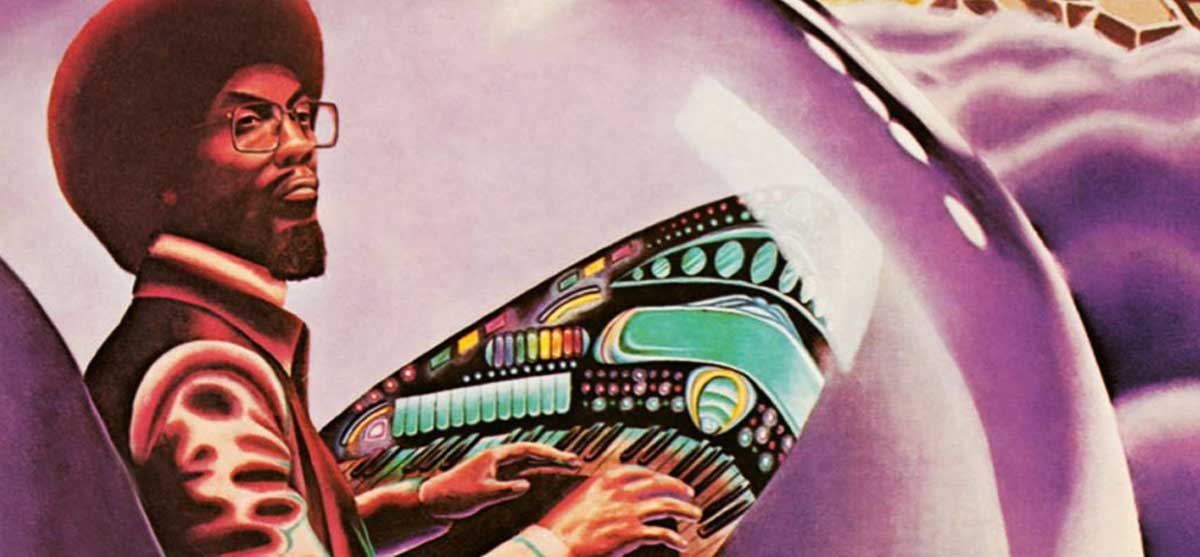
Wayne Shorter’s ESP: Analysis of Jazz Covers
Few jazz compositions can claim the adaptability and staying power of Wayne Shorter‘s “ESP.” This enigmatic piece, originally featured on Miles Davis‘ 1965 album of the same name, has become … Read more
-
An Interview with Tigran Hamasyan
I met Tigran Hamasyan at a Montreal Starbucks hours before his solo piano show at L’Astral on February 11th. He exuded a quiet composure, his thoughtful answers offering a counterpoint … Read more
-
Herbie Hancock’s Butterfly: Analysis of Jazz Covers
Read our critical analysis of jazz covers of Herbie Hancock’s “Butterfly” composition, including notable versions Robert Glasper, Norman Connors, Gretchen Parlato and more! Read more
-
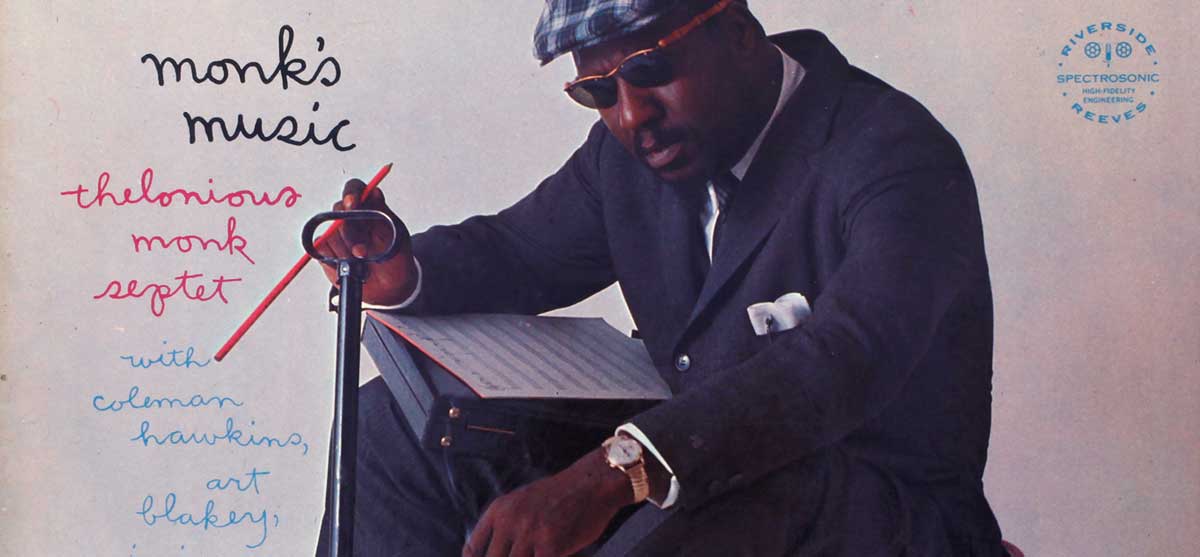
Thelonious Monk’s Crepuscule with Nellie: Analysis of Jazz Covers
Read our critical analysis of jazz covers of Thelonious Monk’s “Crepuscule with Nellie” composition, including notable versions by Jason Moran, Greg Lewis and more! Read more
-
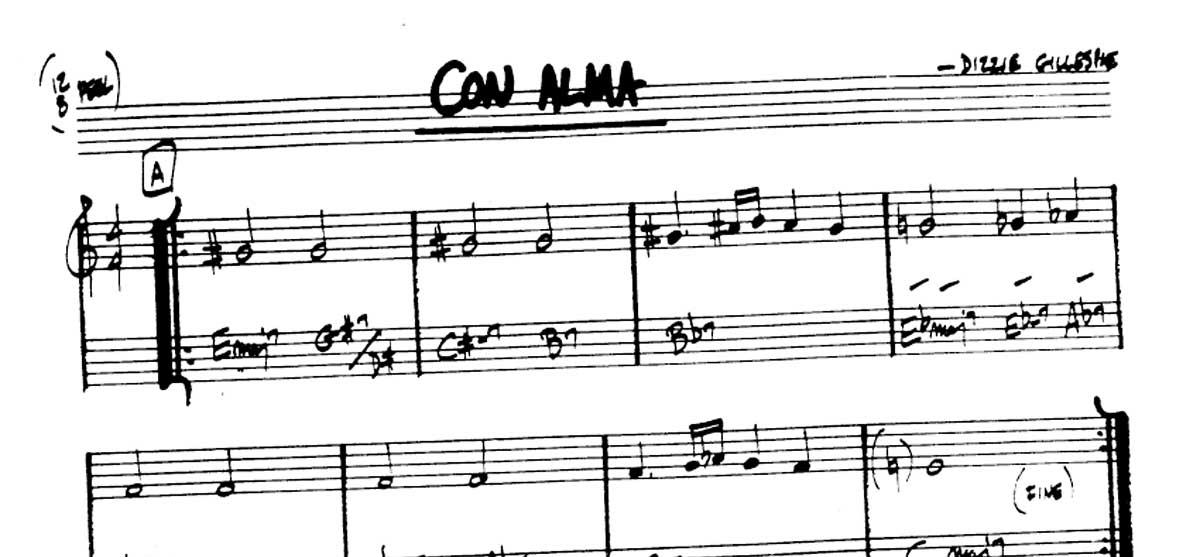
Dizzy Gillespie’s Con Alma: Analysis of Jazz Covers
Read our critical analysis of jazz covers of Dizzy Gillespie’s “Con Alma” composition, including notable versions by by Stan Getz, Gerald Clayton, Aaron Parks, Ben Wendel, and more! Read more
-
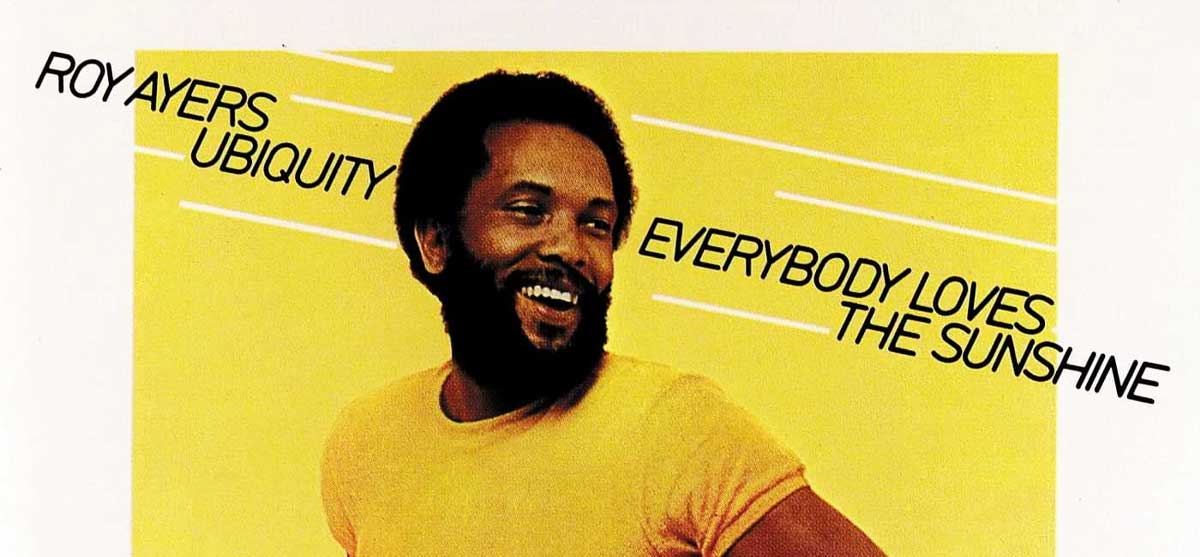
The 10 Best Everybody Loves the Sunshine Covers
Stream the 10 best Roy Ayers’ Everybody Loves the Sunshine covers by Robert Glasper, D’Angelo, Kiefer, Jamie Cullum and Seu Jorge and more! Read more
-
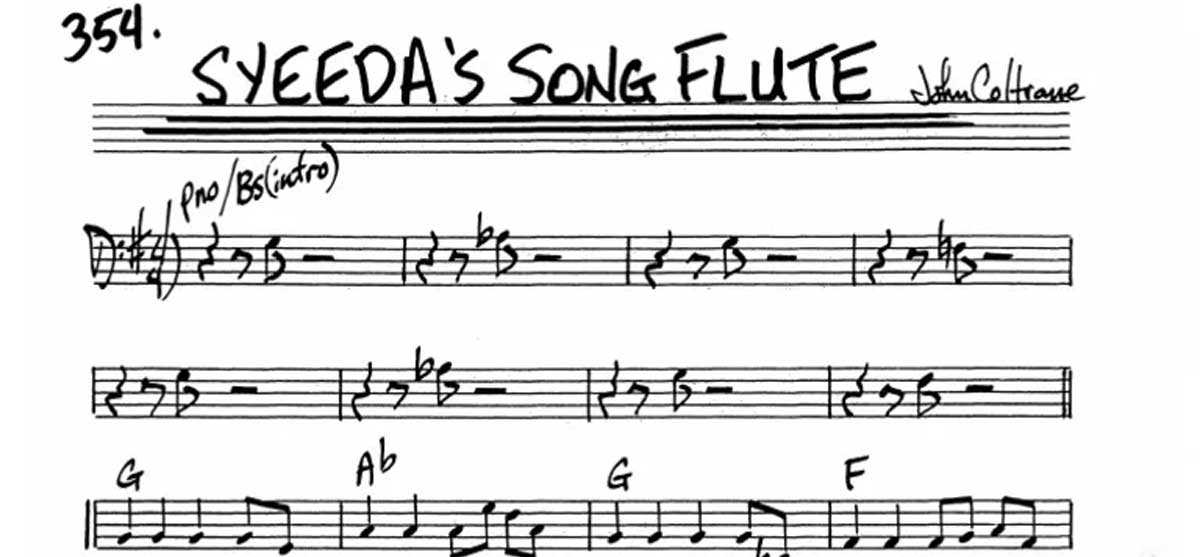
John Coltrane’s Syeeda’s Song Flute: Analysis of Jazz Covers
Read our critical analysis of jazz covers of John Coltrane’s “Syeeda’s Song Flute” composition, including notable versions by Tommy Flanagan, James Carter, Medeski Martin & Wood, Matt Wilson and more! Read more
-
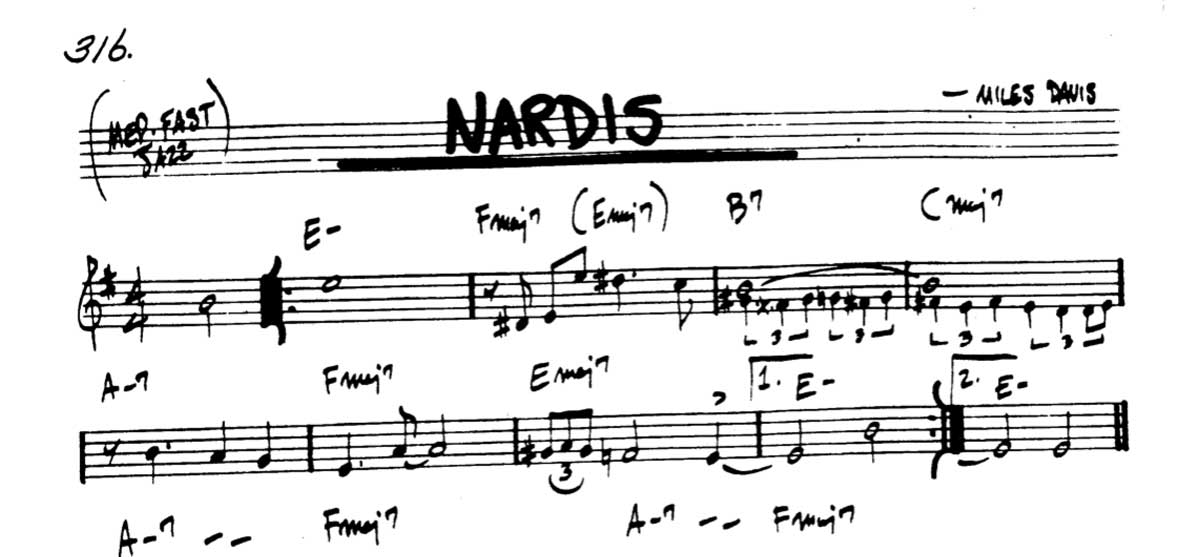
Miles Davis’ Nardis: Analysis of Jazz Covers
Read our critical analysis of jazz covers of Miles Davis’ “Nardis” composition, including notable versions by Bill Evans, Cannonball Adderley, Charlie Haden, Joe Henderson and more! Read more
-
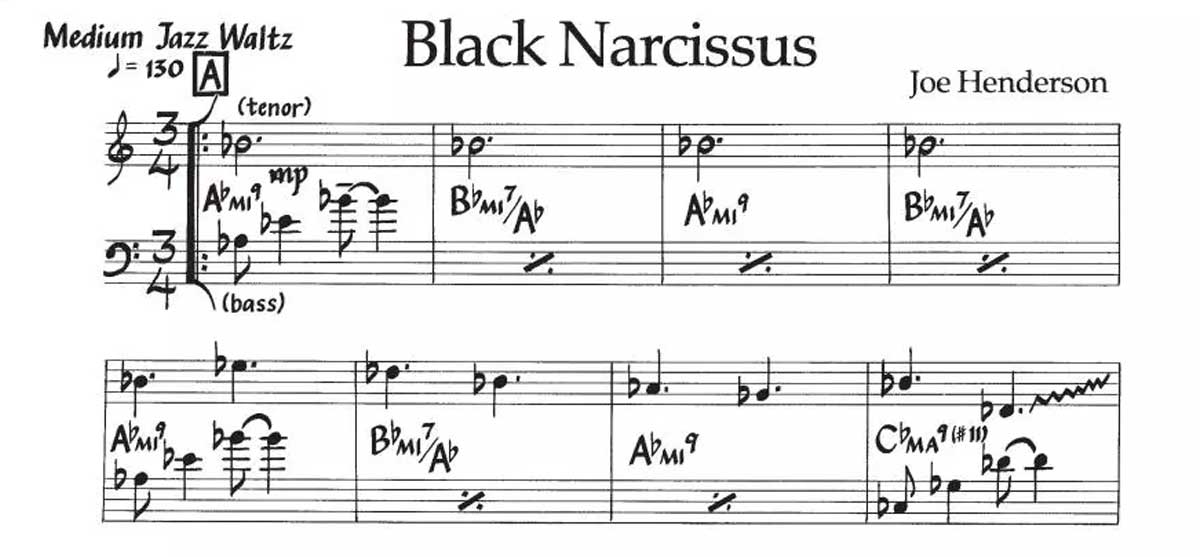
Joe Henderson’s Black Narcissus: Analysis of Jazz Covers
Read our critical analysis of jazz covers of Joe Henderson’s “Black Narcissus” composition, including notable versions by Stanley Clarke, Renee Rosnes, Dayna Stephens, Helen Sung, Kevin Hays and more! Read more
-
Wayne Shorter’s “Fall”: Analysis of Jazz Covers
Read our critical analysis of jazz covers of Wayne Shorter’s “Fall” composition, including notable versions by Miles Davis, Gilad Hekselman and Jesse Fischer! Read more
-
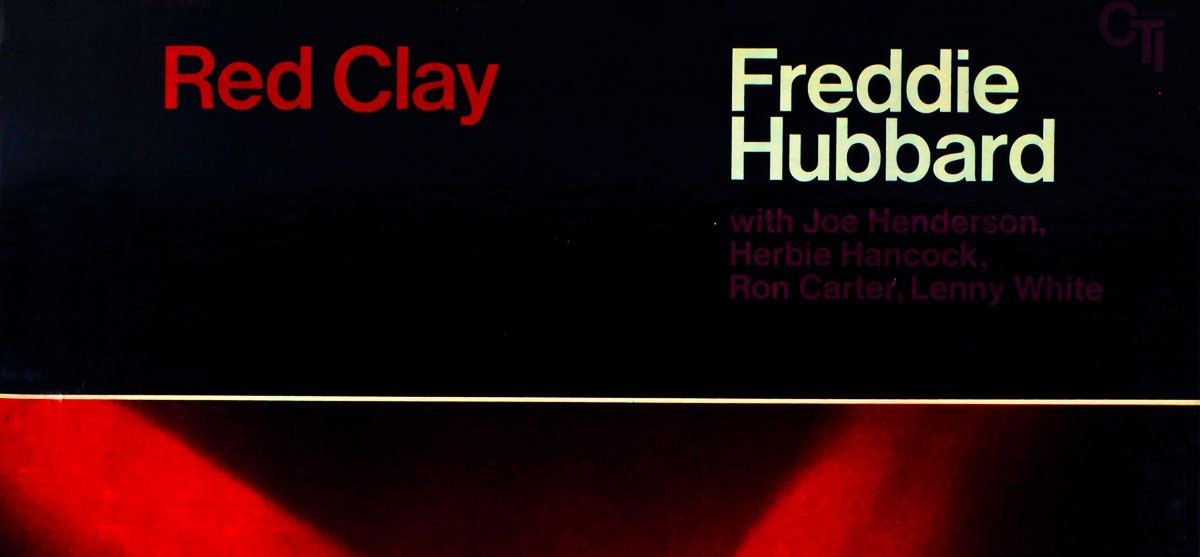
Freddie Hubbard’s Red Clay: Analysis of Jazz Covers
Stream five versions of Freddie Hubbard’s “Red Clay” including jazz covers by Jose James, The V.S.O.P. Quintet, and Soil & Pimp Sessions! Read more
-
The Pitchfork of Jazz
Some time ago, never mind when, I spent my usual time making my travels across the internet, hitting up my normal gamut of websites. As link leads on to link … Read more
-
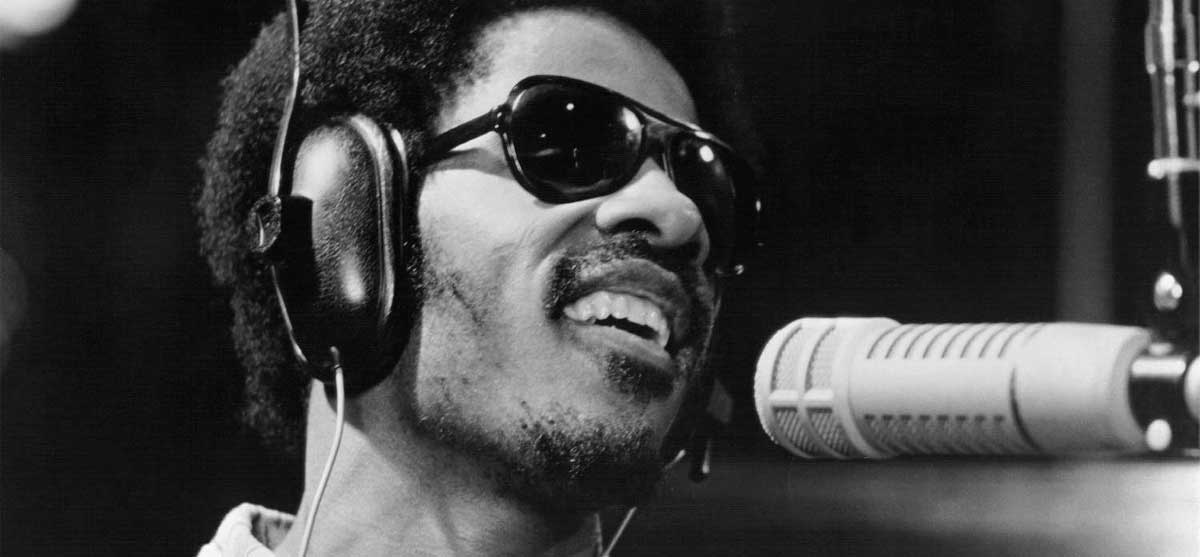
Stevie Wonder’s Isn’t She Lovely: Analysis of Jazz Covers
Stream Stevie Wonder’s “Isn’t She Lovely” plus four other notable jazz covers of the song by Sonny Rollins, Arturo Sandoval, Aaron Golberg and Jacky Terrasson! Read more
-
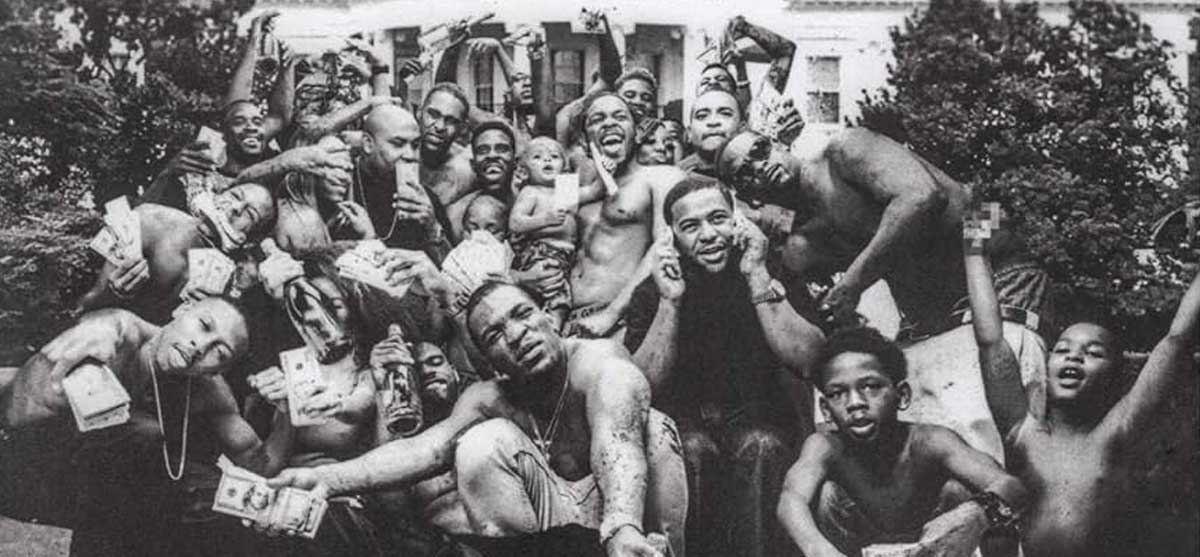
The Musicians Behind Kendrick Lamar’s ‘To Pimp A Butterfly’
Buy: To Pimp A Butterfly Vinyl LP In an era where music releases are meticulously planned, Kendrick Lamar‘s To Pimp A Butterfly emerged almost as if by serendipity, mirroring the … Read more
-
Frank Ocean and BADBADNOTGOOD Deliver Unforgettable Performance at Coachella 2012
Coachella 2012 witnessed a mesmerizing collaboration that left attendees and music enthusiasts worldwide spellbound. The opening day of the festival saw Frank Ocean, an artist known for his soulful melodies … Read more
-
‘The Thompson Fields’ – An Interview with Maria Schneider
On Wednesday, June 24th, 2015, we spoke with Maria Schneider at length about her new album The Thompson Fields, her musical upbringing, the future of big bands, the ArtistShare platform, … Read more
-
Relevant to His Time: An Interview with Robert Glasper
Read our 2012 interview with jazz pianist Robert Glasper discussing his then-upcoming album Black Radio, his musical influences, and the future of jazz music. Read more
-
Equipoise: A Critical Analysis of Covers
Read Ben Gray’s critical analysis of jazz covers of Stanley Cowell’s “Equipoise” composition, including notable versions by Willie Jones III, Max Roach, Jack DeJohnette and more! Read more
-

Aaron Parks’ ‘Invisible Cinema’ Sheet Music (Free PDF Download)
Download Aaron Parks’ ‘Invisible Cinema’ sheet music free of charge in PDF format courtesy of Aaron Parks himself. Read more
-

Watch the Video for Jim Hart and Ivo Neame’s “Transference”
Pianist Ivo Neame, one-third of the powerhouse trio Phronesis, is bringing to life a new project in collaboration with vibraphonist and drummer Jim Hart. Multiverse, slated for a February 21st … Read more
-
Watch the Lyric Video for The Souls Rebels’ “Greatness” Feat. Dee 1, Alfred Banks and Sean Carey
Legendary NOLA brass band The Souls Rebels just dropped a sick lyric video for their single “Greatness”, featuring Dee 1, Alfred Banks and Sean Carey, off last October’s Poetry in … Read more
-
Watch the Music Video for Lettuce’s Cover of Tears For Fears’ “Everybody Wants To Rule The World”
Also check out our complete list of Best “Everybody Wants to Rule the World” Covers Formed in 1992 by four Berklee alumni, powerhouse genre-bending collective Lettuce recently released a seriously … Read more
-
Dave Liebman’s Expansions Group’s ‘Earth’ Album Reviewed
Scientists estimate that the earth vibrates at varying frequencies between 7.83 and 33.8 Hz. Of course, music also consists of rhythmic waves, though they are limited to our unaided hearing … Read more
-
Stream Pianist Matt Herskowitz’ Take on Louis Moreau Gottschalk’s “The Last Hope”
There is no denying that jazz music is going through a form of globalization, branching out into other musical realms, drawing inspiration from other established genres. The musicians on the … Read more
-
Captain Supernova’s ‘The Voyage Never Ends…’ Album Reviewed
In his early writings, philosopher Søren Kierkegaard utilized various pseudonyms to present distinctive viewpoints and to interact with each other in complex dialogues. Throughout its history, jazz musicians have also … Read more
-

Stream José James’ “Turn Me Up” feat. Aloe Blacc
Enduring dreary winter weather in New England demands looking forward to the longer days and warmer months of summer. The new single by the ever soulful and stylistic vocalist José … Read more
-
Stream Makaya McCraven’s Reimagining of Gil Scott-Heron’s “Where Did The Night Go”
Drummer and producer Makaya McCraven has a new and very special project on the horizon. We’re New Again sees the Chicago native reimagining hometown hero Gil Scott-Heron’s final album I’m … Read more


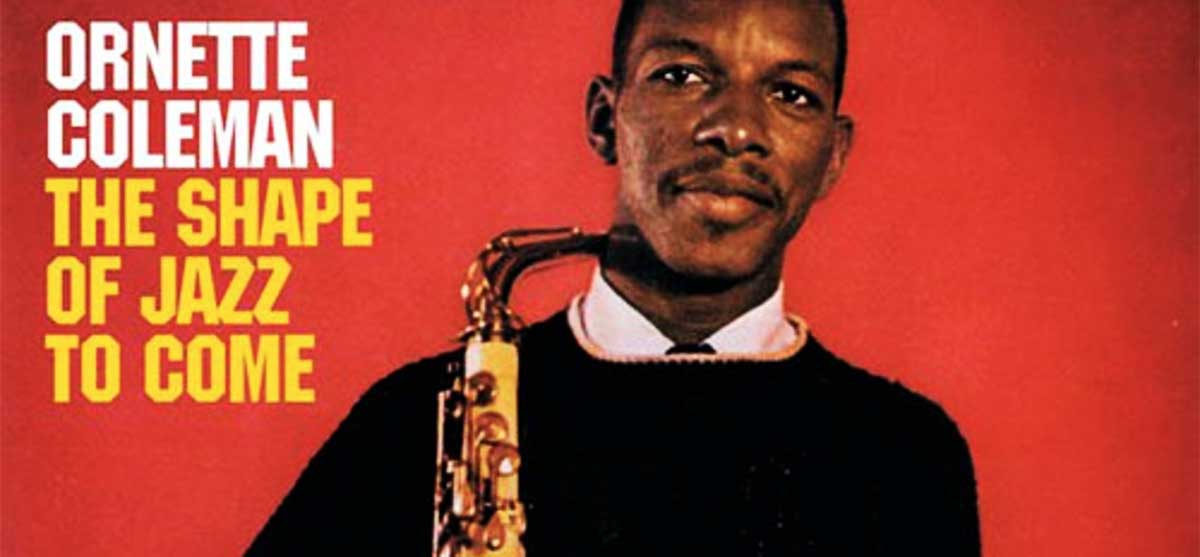





Jazz FAQ
What is jazz?
Jazz is a uniquely American musical art form that emerged in African-American communities in New Orleans in the late 19th and early 20th centuries. It draws inspiration from a rich blend of musical traditions, including blues, ragtime, spirituals, and European classical music. Here’s what makes jazz so distinctive:
- Improvisation: Jazz musicians create music spontaneously, responding to each other and the energy of the moment. This makes every performance unique and unpredictable.
- Swing Rhythms: Jazz has a characteristic rhythmic feel – a sense of groove and bounce that invites you to dance or tap your feet.
- Individual Expression: Jazz celebrates the unique voice of each musician. Solos are a chance to showcase individual style, technique, and tell a personal story through the music.
- Complex Harmonies: Jazz goes beyond simple melodies and chords, introducing unexpected sounds and sophisticated chord progressions that add depth and intrigue.
- Instrumentation: While jazz lineups can vary, the genre is often associated with specific sounds like brass instruments (trumpet, trombone), saxophones, piano, upright bass, and a swinging drum kit.
Jazz is a vast and ever-evolving genre. From its roots in New Orleans, it has branched into countless subgenres like swing, bebop, cool jazz, free jazz, Latin jazz, and jazz fusion. Whether you’re a longtime fan or just dipping your toes in, jazz offers a world of musical discovery and excitement at every turn.
Where did jazz originate?
Jazz was born in the vibrant melting pot of New Orleans, Louisiana, in the late 19th and early 20th centuries. This unique city, with its blend of cultures and musical traditions, was the perfect birthplace for this groundbreaking new musical form. Here’s why New Orleans was so crucial to the development of jazz:
- Diverse Cultures: New Orleans was home to people of African, European, Caribbean, and Latin American descent. Each community brought its own musical traditions, including African rhythms, European harmonies, blues, spirituals, and even opera. Jazz emerged from this rich musical tapestry.
- Congo Square: A designated space where enslaved people could gather to play music, dance, and socialize, Congo Square in New Orleans was a crucial site for the exchange and preservation of African musical traditions that would become a foundation of jazz.
- Brass Bands: Marching bands were popular in turn-of-the-century New Orleans, often playing at funerals and celebrations. Brass instruments, later adopted by jazz musicians, added power and energy to the emerging sound.
- Storyville: This red-light district of New Orleans, while controversial, provided employment opportunities for musicians. The constant need for music in clubs and brothels allowed early jazz pioneers to experiment, find their voices, and reach new audiences.
While New Orleans is the undisputed birthplace of jazz, this music quickly spread across America and the world, inspiring new generations of musicians and developing exciting new subgenres along the way.
When was jazz invented?
Pinpointing the exact birth moment of jazz is tricky since it was a gradual evolution rather than a single event. However, historians generally agree that jazz emerged as a distinct musical form in the late 19th and early 20th centuries. Here’s a breakdown of the key developments:
- Late 1800s: The elements that would define jazz were already present in New Orleans. Blues, ragtime, brass band music, and the unique cultural mix of the city provided fertile ground for something new to emerge.
- Early 1900s: Musicians began blending and improvising on these existing musical forms, experimenting with new sounds and rhythms that would become synonymous with jazz. Figures like Buddy Bolden (often considered a founding father of jazz) were particularly influential during this period.
- 1910s: The word “jazz” (or similar spellings like “jass”) started appearing more frequently, indicating a growing recognition of this emerging style. New Orleans musicians began traveling, spreading the sounds of jazz to other parts of the country.
- 1917: The Original Dixieland Jazz Band (ODJB), a group of white musicians, recorded “Livery Stable Blues” – considered by many to be the first jazz record. This helped popularize the music beyond New Orleans.
While the ODJB helped bring jazz to a wider audience, it’s important to remember that jazz was born from the creativity of Black musicians over many years in New Orleans.
What was the jazz age?
The Jazz Age refers to a period in the 1920s and early 1930s marked by rapid social, cultural, and artistic changes. Jazz music, both as a soundtrack and a symbol of rebellion, played a significant role in defining this era. Here’s what characterized the Jazz Age:
- Roaring Twenties Boom: After the hardship of World War I, America experienced economic prosperity. This led to a sense of optimism, a desire for pleasure, and a loosening of traditional social norms.
- Sound of the Era: Jazz, with its energetic rhythms and improvisational spirit, perfectly captured this newfound sense of freedom. Jazz clubs became popular, and new dance styles like the Charleston swept the nation.
- Youth Culture: The Jazz Age is associated with young people (particularly the “flappers”) embracing new fashions, greater social freedom, and challenging outdated ideas.
- Rise of Mass Culture: Developments in radio and recordings allowed jazz to reach a wider audience, making stars of musicians like Louis Armstrong and Duke Ellington. This helped create a shared culture across the country.
- The Harlem Renaissance: The Jazz Age was also a time of tremendous artistic flourishing for African Americans in Harlem, with jazz providing inspiration and energy to writers, poets, and visual artists.
- Tensions: The Jazz Age also had its darker side, with anxieties about the changing social order, the rise of organized crime, and the stark economic inequalities that would lead the country into the Great Depression.
The Jazz Age wasn’t just about music, but it’s undeniable that jazz played a key role in shaping its rebellious spirit, cultural innovations, and lasting impact on American history.
When did jazz become popular?
Jazz’s popularity grew in phases, from its regional roots to its status as a worldwide musical phenomenon:
- Early 1900s: Birth and Local Growth Jazz developed in New Orleans, gaining a dedicated following in the city and surrounding areas. Musicians began traveling, spreading the sounds of this emerging style.
- 1910s: Increased Recognition and Spread “Jazz” became a more common term, and New Orleans musicians traveled to cities like Chicago and New York, expanding its reach. The 1917 recording of “Livery Stable Blues” by the Original Dixieland Jazz Band helped introduce the music to a wider audience, even with the controversy of a white band profiting off Black musical innovation.
- 1920s: The Jazz Age Explosion Jazz exploded in popularity, becoming the soundtrack of the Roaring Twenties. Radio broadcasts and the rise of the recording industry fueled this, making stars out of figures like Louis Armstrong, Duke Ellington, and Bessie Smith.
- 1930s-1940s: Swing Era and National Obsession Big band swing music, a streamlined and danceable offshoot of jazz, became a national craze. Jazz was now mainstream music, performed in concert halls and ballrooms across America.
- Post-WWII Era: Evolution and Global Reach While bebop and other developments made jazz more complex and less widely popular in the US, it gained recognition as a serious art form. Jazz spread across the globe, influencing musicians worldwide and continuing to evolve into new styles like Latin jazz, cool jazz, and fusion.
Important Note: Jazz has always been present and deeply influential, even with shifts in mainstream popularity across the decades. It remains a vital and constantly evolving musical form.
When is Jazz Fest in New Orleans?
The New Orleans Jazz & Heritage Festival, commonly known as Jazz Fest, is typically held over two weekends in late April and early May. Here’s what to know:
- 2024 Dates: The next Jazz Fest is scheduled for April 25 – May 5, 2024.
- Slight Variations: In some years, Jazz Fest may start slightly earlier or finish slightly later in May, depending on the calendar.
- “Locals Thursday”: The first Thursday of Jazz Fest (April 25 in 2024) usually features discounted tickets for Louisiana residents.
- Official Website: Always check the official New Orleans Jazz & Heritage Festival website (https://www.nojazzfest.com/) for the latest dates and additional information.
Additional Tips:
- Book Early: Hotels and accommodations around New Orleans fill up quickly during Jazz Fest, so planning and booking ahead is essential.
- Beyond Jazz: While Jazz Fest has its roots in jazz, the festival showcases a wide range of musical genres, including blues, Cajun, zydeco, gospel, and more!
Who invented jazz?
Attributing the invention of jazz to a single person is impossible. Jazz arose from a complex blend of musical traditions and the contributions of countless musicians, particularly within the Black communities of New Orleans. Here’s why a single inventor doesn’t exist:
- Evolution, not Invention: Jazz developed gradually over decades, with its roots in African musical traditions, blues, ragtime, brass bands, and more. It was a process of blending and innovation, not a sudden invention by one person.
- Collective Creativity: New Orleans’ unique cultural mix fostered a community where musicians learned from each other, jammed together, and built on each other’s ideas. This collaborative environment makes pinpointing a sole inventor inaccurate.
- Pioneering Figures: While no one person invented jazz, certain early musicians were incredibly influential in shaping its sound:
- Buddy Bolden: A legendary cornet player, considered by many a key figure in the transition from ragtime to jazz.
- Jelly Roll Morton: A pianist and composer who claimed to have invented jazz, but more importantly, he was an early champion of the genre.
- Louis Armstrong: His trumpet virtuosity and innovative solos helped establish jazz as a serious artform with a focus on individual expression.
It’s important to remember that jazz was primarily born from the creativity and resilience of Black musicians who often faced discrimination and limited recognition during its early years.
What instruments are used in jazz?
What instruments are used in jazz?
While jazz allows for endless creativity, there are certain instruments considered core to the genre’s distinct sound:
- Brass:
- Trumpet: Known for its bright, powerful sound, often plays melodies and solos.
- Trombone: Adds a warm, rich tone and can be used for melodies, solos, or rhythmic accompaniment.
- Saxophone: Comes in various sizes (alto, tenor, etc.) and offers a wide range of expression, from smooth and mellow to energetic and bluesy.
- Rhythm Section:
- Piano: Provides harmonies, rhythmic drive, and can play both accompaniment and expressive solos.
- Double Bass: Creates a strong foundation with its deep, resonant tones, often played by “walking” a steady bassline.
- Drums: The backbone of jazz, keeping the beat and adding energy with a drum kit that typically includes snare, bass drum, hi-hat, and cymbals.
- Guitar: Can provide rhythmic support, chords, and solo lines. Less common than piano, but integral in certain jazz styles.
- Other Common Instruments:
- Vocals: Jazz singing is an art form of its own, with singers like Billie Holiday and Ella Fitzgerald being icons.
- Clarinet: Adds a unique, sometimes playful sound, especially prominent in early jazz.
- Vibraphone: Offers a shimmering, bell-like tone, often used for melodies and solos.
Important Notes:
- Flexibility: Jazz lineups can vary greatly. Big bands might include multiple trumpets, trombones, and saxophones, while a trio could just be piano, bass, and drums.
- Experimentation: Jazz encourages experimentation. Musicians often incorporate less common instruments like the flute, violin, or even harmonica to create unique sounds.
When was the jazz age?
The Jazz Age generally refers to the period of the 1920s and early 1930s in the United States. However, it’s important to understand a few things:
- The Roots: The musical elements and cultural shifts that fueled the Jazz Age began brewing in the late 1800s and early 1900s, particularly in New Orleans.
- Peak Years: The term “Jazz Age” was popularized by writer F. Scott Fitzgerald, whose works reflected the social and cultural changes of the 1920s. This decade saw an explosion of jazz popularity, making it synonymous with the era’s rebellious spirit and energy.
- Lingering Influence: While the economic crash of 1929 brought an end to the extravagant party of the Roaring Twenties, the Jazz Age had a lasting impact on American culture. Jazz continued as a vital art form, and the groundbreaking social changes of the era resonated through subsequent decades.
Key Dates:
- Late 1800s / Early 1900s: Development of jazz in New Orleans
- 1920s: The Roaring Twenties – jazz becomes a national phenomenon
- 1930s: Swing Era – big band jazz maintains popularity
When was jazz popular?
Jazz has experienced varying levels of popularity throughout its history:
- Early 1900s: Birth and Local Growth Jazz developed in New Orleans, gaining a dedicated following in the city and surrounding areas. Musicians began traveling, spreading the sounds of this emerging style.
- 1910s: Increased Recognition and Spread The term “jazz” became more widespread. New Orleans musicians traveled to cities like Chicago and New York, expanding its reach. The 1917 recording of “Livery Stable Blues” by the Original Dixieland Jazz Band helped introduce the music to a wider audience.
- 1920s: The Jazz Age Explosion Jazz exploded in popularity, becoming the soundtrack of the Roaring Twenties. Radio broadcasts and a booming recording industry fueled this, making stars out of figures like Louis Armstrong, Duke Ellington, and Bessie Smith.
- 1930s-1940s: Swing Era and National Obsession Big band swing music, a streamlined and danceable offshoot of jazz, became a national craze. Jazz was now mainstream music, performed in concert halls and ballrooms across America.
- Post-WWII Era: Evolution and Global Reach While bebop and other developments made jazz more complex and less widely popular in the US, it gained recognition as a serious art form. Jazz spread across the globe, influencing musicians worldwide and continuing to evolve into new styles like cool jazz, Latin jazz, and fusion.
Important Note: Even during periods of less mainstream popularity, jazz has remained a vital, influential, and constantly evolving musical form. It continues to enjoy dedicated followings and inspire new generations of musicians.
Is Frank Sinatra jazz?
The answer is a bit complicated. Frank Sinatra’s music draws on various influences, including these:
- Deeply Rooted in Jazz: Sinatra was profoundly influenced by jazz singers like Billie Holiday and the great bandleaders of the Swing Era. His phrasing, rhythmic feel, and ability to improvise melodies all reflect strong jazz roots.
- Collaborations with Jazz Giants Throughout his career, Sinatra collaborated with legendary jazz musicians like Count Basie, Duke Ellington, and Nelson Riddle (who created many of his iconic arrangements).
- Primarily a Vocalist: Unlike jazz instrumentalists, Sinatra’s primary focus was on interpreting songs with his unique vocal style and storytelling ability. His primary category is often defined as “vocal pop” or “traditional pop”.
- Era Matters Sinatra’s heyday was during the Big Band and Swing Era, where jazz was mainstream popular music. His music reflected the tastes of the time but wasn’t considered “pure jazz” like bebop or other later, more complex, forms.
Conclusion:
- Frank Sinatra WAS NOT a jazz musician in the strictest sense. He didn’t play an instrument focused on improvisation like a saxophonist or pianist would.
- His music is HEAVILY influenced by jazz traditions, his vocal style borrows heavily from jazz greats, and his era makes his music intertwined with the jazz world.
What is acid jazz?
Acid jazz is a musical genre that emerged in London clubs during the 1980s. It blends elements of jazz, funk, soul, hip-hop, and disco, creating a unique and danceable sound. Here’s what sets acid jazz apart:
- Origins: The term “acid jazz” was coined by DJs and record collectors who were mixing jazz records with electronic dance music and hip-hop beats. This fusion was born during the rare groove movement in London.
- Groovy Foundation: Acid jazz features a strong emphasis on rhythm, often with funky basslines, driving drum beats, and percussion borrowed from soul and Latin music.
- Jazz Influence: While the foundation is rhythmic, acid jazz incorporates jazz elements including:
- Improvisational solos (often by saxophone, trumpet, or keyboard)
- Complex harmonies and chord progressions
- The occasional use of jazz standards
- Two Main Branches
- One side of acid jazz leans heavily on jazzy improvisation and live instrumentation.
- The other side is more focused on sampled jazz loops, programmed beats, and a stronger electronic feel.
- Key Artists: Some influential acid jazz figures include Jamiroquai, Brand New Heavies, Incognito, US3, and The James Taylor Quartet.
Acid jazz enjoyed popularity in the 1990s and continues to influence contemporary music, especially electronic dance music and neo-soul.
What is jazz fusion?
Jazz fusion is a broad musical genre that emerged in the late 1960s and early 1970s. It combines the improvisational spirit and complex harmonies of jazz with elements of rock, funk, soul, world music, and later, electronic music. Here’s what defines jazz fusion:
- Breaking Boundaries: Jazz fusion musicians were known for pushing the limits of traditional jazz, experimenting with new sounds, instruments, and musical structures.
- Rock Influence Electric guitars, bass, and keyboards became common, borrowing the energy and sonic palette of rock music. Drummers often incorporated a rock-influenced intensity.
- Rhythm Emphasis: Jazz fusion often emphasizes driving rhythms and funky grooves drawn from funk and soul music.
- Improvisation Remains Key: While structured compositions are important, jazz fusion retains the improvisatory spirit of jazz, with lengthy solos and spontaneous interaction between musicians.
- Diversity: Jazz fusion is a vast umbrella term, encompassing a huge variety of sounds:
- Some artists lean towards funky, soulful fusion
- Others embrace progressive rock complexities
- Latin jazz influences are strong in a whole sub-genre
- Key Figures: Miles Davis, Weather Report, Herbie Hancock, Chick Corea, Return to Forever, and John McLaughlin’s Mahavishnu Orchestra were pioneers of jazz fusion.
How old is jazz?
Determining the precise age of jazz is complex, as it evolved gradually rather than having a single birthdate. Here’s a breakdown of its development:
- Roots in the 1800s: The musical elements that would become jazz – African rhythms, blues, ragtime, brass bands – existed in New Orleans throughout the 19th century.
- Early 1900s: Birth of Jazz: Around the turn of the 20th century, musicians in New Orleans began blending these elements, improvising, and developing a new, distinct sound recognized as jazz. Figures like Buddy Bolden were crucial during this period.
- 1910s: Spread and Recognition: The word “jazz” appeared more frequently, and New Orleans musicians traveled, spreading the music to cities like Chicago and New York. However, it was still primarily a regional phenomenon.
- 1920s and Beyond: The Jazz Age and Evolution: Jazz exploded onto the national stage, becoming the defining sound of the Roaring Twenties. It continued to evolve rapidly, leading to swing, bebop, cool jazz, free jazz, and many other subgenres.
Conclusion
- If you pinpoint jazz’s birth to the early 1900s in New Orleans, it’s well over 100 years old.
- Jazz is a living, evolving art form, so from that perspective, it’s as young as the newest innovations being made today.
What is a main characteristic of jazz music?
Jazz is multifaceted, but several key characteristics define its unique sound and spirit:
- Improvisation: The heart of jazz! Musicians create solos and melodies spontaneously, responding to each other and the energy of the moment. This makes every performance unique.
- Swing and Syncopation: Jazz has a rhythmic feel known as “swing” – a sense of bounce and movement. Syncopation, or emphasis on offbeats, adds unexpected rhythmic accents and drive.
- Complex Harmonies: Jazz goes beyond simple chords, using sophisticated progressions, dissonances, and borrowed harmonies from blues and classical music to add depth and color.
- Individual Expression: Jazz celebrates the unique voice of each musician. Solos are opportunities to showcase skill, personality, and tell a story through the music.
- Interplay and Conversation: Jazz is collaborative, with musicians listening intently and responding to each other in real-time, creating a dynamic musical conversation.
Other Important Elements:
- Instrumentation: While lineups vary, jazz often features brass instruments (trumpet, trombone), saxophones, piano, upright bass, and drums.
- Call-and-Response: A musical pattern where one voice or instrument is answered by another. Common in blues and African musical traditions that influenced jazz.
- The Blues Influence: Blues scales, melodies, and the emotional depth of the blues are deeply woven into jazz.
Remember, jazz is a vast and evolving genre, so these characteristics can be interpreted and combined in countless ways!
What to wear to a jazz concert?
Jazz concerts offer a fantastic opportunity to express your personal style while still respecting the atmosphere and artists. The best attire depends on the type of venue and vibe of the show:
Casual and Cool
- Smaller Clubs: If you’re headed to an intimate jazz club, prioritize comfort with a stylish touch. Think dark wash jeans, a nice blouse or button-up, and a leather jacket. Elevate your look with statement earrings or a cool pair of boots.
- Outdoor Festivals: Consider the weather and opt for comfortable layers. A flowy dress, a graphic tee with a blazer, or patterned pants with a simple top all strike a balance between fun and laid-back.
Upscale Elegance
- Fancy Jazz Halls: If attending a concert in a formal venue, step it up. A cocktail dress, a jumpsuit, or tailored trousers with a silk blouse are excellent choices. Add some flair with a patterned blazer, bold necklace, or dressy shoes.
- Dinner and Jazz: Opt for an outfit that transitions seamlessly from a nice restaurant to a concert. For men, a sport coat, dressy jeans, and Chelsea boots are sophisticated yet relaxed.
Tips for All Occasions
- Embrace Your Style: Jazz is about individuality – let your outfit reflect that!
- Comfort is Key: You’ll be sitting and enjoying the music, so prioritize comfortable yet stylish pieces.
- Layers are Smart: Venues can be chilly or warm up with a crowd, so a jacket or cardigan is always a good idea.
- Bold Accessories: Jazz encourages a bit of flair, so have fun with eye-catching jewelry or a unique bag.
Remember, the focus is on the music, but there’s no reason not to look great while enjoying it!
Is bossa nova jazz?
The relationship between bossa nova and jazz is complex. Here’s the breakdown:
- Separate Origins: Bossa nova emerged in Rio de Janeiro, Brazil, in the late 1950s. It developed primarily from samba (a Brazilian dance and music style) and was influenced by cool jazz.
- Harmonic Similarities: Bossa nova shares jazz’s use of sophisticated harmonies and extended chords, creating a similar mellow and sophisticated feel.
- Strong Jazz Influence: Bossa nova pioneers like João Gilberto and Antonio Carlos Jobim were heavily influenced by jazz musicians. They incorporated jazz phrasing and improvisation techniques into their music.
- Rhythmic Differences: The primary distinction is rhythm. Bossa nova features a syncopated, gentle samba-derived beat, known as the “clave” rhythm, which contrasts with the swing feel characteristic of jazz.
- Global Fusion: In the 1960s, American jazz musicians like Stan Getz embraced bossa nova, leading to a fruitful musical exchange. Hits like “The Girl from Ipanema” further blurred the lines.
Conclusion
- Bossa nova is NOT strictly jazz. It’s its own distinct genre with Brazilian roots.
- Bossa nova and jazz heavily influenced each other, leading to exciting collaborations and a shared harmonic vocabulary.
- Many music lovers consider bossa nova to be “jazz adjacent” – they occupy a similar sonic space and appeal to similar audiences.
What is a jazz standard?
In the world of jazz, a jazz standard refers to a well-known and widely performed musical composition that forms part of the core repertoire of jazz musicians. Here’s what makes a song a jazz standard:
- Origins: Many jazz standards originated in these sources:
- The Great American Songbook: Popular songs from the early 20th century, often from Broadway musicals and Tin Pan Alley. Examples include “Summertime”, “All of Me”, and “My Funny Valentine”.
- Blues Tradition: 12-bar blues and classic blues songs also form the basis of many jazz standards.
- Original Jazz Compositions: Some standards were written specifically as jazz tunes by renowned composers like Miles Davis, Thelonious Monk, and Duke Ellington.
- Open to Interpretation: Jazz standards provide a shared melodic and harmonic foundation, but the core strength lies in their adaptability. Each musician brings their unique style, improvisation, and arrangement to the standard.
- Endurance: Jazz standards have stood the test of time. They are played by new generations of musicians, keeping the jazz tradition alive.
- Community Knowledge: Knowing jazz standards is essential for jam sessions and collaborations. It’s the shared language that allows jazz musicians to play together seamlessly.
Examples of Popular Jazz Standards:
- “Autumn Leaves”
- “Body and Soul”
- “Fly Me to the Moon”
- “Take Five”
- “So What”
What is bebop jazz?
Bebop was a revolutionary jazz style that emerged in the mid-1940s. It marked a radical shift away from the danceable rhythms and accessible melodies of the Swing Era, ushering in a new era of complex, intellectual, and musician-focused jazz. Here’s what defines bebop:
- Fast and Furious: Bebop is characterized by rapid tempos, dazzling instrumental virtuosity, and a sense of urgency.
- Complex Harmonies: Bebop musicians embraced intricate chord progressions, dissonances, and altered chords, pushing the harmonic boundaries of jazz.
- Improvisation Spotlight: Bebop put the improviser at the forefront. Extended solos were showcases for harmonic knowledge, melodic ingenuity, and rhythmic invention.
- Smaller Ensembles: In contrast to the large bands of the Swing Era, bebop was typically performed by smaller groups like quartets or quintets. This offered greater flexibility for individual exploration.
- Not for Casual Listening: Bebop challenged audiences as much as it did musicians. It wasn’t designed for dancing, instead demanding focused listening.
- Birth of Modern Jazz: Bebop’s experimentation with harmony, rhythm, and form laid the groundwork for the development of later jazz styles like cool jazz, hard bop, and even free jazz.
Key Bebop figures:
- Charlie Parker (saxophone)
- Dizzy Gillespie (trumpet)
- Thelonious Monk (piano)
- Bud Powell (piano)
- Max Roach (drums)
What is modal jazz?
Modal jazz emerged in the late 1950s as a reaction to the complex harmonies and fast tempos of bebop. It offered a different approach to improvisation and structure, creating a more spacious and atmospheric sound. Here’s how it works:
- Scales over Chords: In traditional jazz, improvisation is based on rapidly changing chord progressions. Modal jazz focuses instead on scales (known as modes), allowing musicians to linger on a single scale or mode for extended periods.
- Less is More: The emphasis on fewer chord changes creates a more open, meditative, and introspective sound compared to the harmonic density of bebop.
- Atmosphere and Mood: Modal jazz compositions often evoke specific moods or feelings. The use of minor scales can create a melancholy or mysterious feeling, while Dorian modes can sound bright and hopeful.
- Freedom Within Structure: While modal jazz offers a simpler harmonic framework, it gives improvisers great freedom to explore different melodies and rhythms within the selected mode.
- Landmark Album: Miles Davis’s iconic 1959 album “Kind of Blue” is the quintessential example of modal jazz, with tracks like “So What” defining the genre’s sound.
Key Figures in Modal Jazz:
- Miles Davis
- John Coltrane
- Bill Evans
- McCoy Tyner
Which description best characterizes the jazz of the Harlem Renaissance?
While multiple answers may have some validity, here’s the BEST and most comprehensive characterization:
- Diverse, innovative, and infused with a spirit of Black pride and self-expression.
Here’s why the other options are less accurate or overly simplified:
- Focus on Big Band Swing: While swing music was important later within the Harlem Renaissance, early jazz of the period featured smaller ensembles, ragtime influences, and was still evolving.
- Primarily focused on Instrumental Music: Vocalists like Bessie Smith, Billie Holiday, and Ethel Waters were crucial figures in Harlem Renaissance jazz.
- Defined by a Single Style: Jazz during this era was incredibly diverse – from stride piano to early New Orleans styles to blues singers accompanied by jazz bands. Innovation was a hallmark of the period.
Why is a focus on diversity, innovation, and Black expression important?
- The Harlem Renaissance was about African Americans finding their voice across art forms. Jazz was a vital part of this cultural explosion.
- Musicians brought their unique backgrounds and experiences to the music, creating a rich tapestry of sound.
- This period saw Black musicians gain more recognition (though still facing huge discrimination), paving the way for later jazz giants.
Who is the king of jazz?
While there’s no single definitive “king” of jazz, several musicians have held the unofficial title at different points in history due to their immense contributions and influence. Here’s a breakdown:
- Early Jazz Era: Louis Armstrong (trumpeter, vocalist) is often considered the founding father of jazz. His innovative solos, virtuosity, and larger-than-life personality transformed jazz and laid the groundwork for decades to come.
- Swing Era: Duke Ellington (composer, pianist, bandleader) earned the title through his sophisticated compositions, iconic big band sound, and his role in elevating jazz to an art form performed in concert halls.
- Modern Jazz Pioneers: Charlie Parker (saxophonist) and Dizzy Gillespie (trumpeter) were revolutionary figures in bebop, pushing jazz into a realm of complex harmonies, blazing tempos, and intellectual depth.
- Others Worthy of the Crown: Throughout jazz history, many musicians, including Miles Davis, John Coltrane, Thelonious Monk, and countless others have held a claim to the title based on their groundbreaking innovations and lasting impact.
Why is there no single answer?
- Evolving Art Form: Jazz has continuously evolved, with new styles and pioneers emerging across decades. Each era brings new contenders for the “king” title.
- Subjective Preference: Different people value different aspects of jazz – technical virtuosity, emotional power, compositional innovation – leading to personal favorites.
- Vastness of the Genre: Jazz is so broad, it’s almost unfair to compare a blues-infused vocalist to a bebop saxophonist – both can be kings within their domain.
Why was jazz so popular in the 1920s?
Several key reasons fueled jazz’s explosion into mainstream popularity during the Roaring Twenties:
- The Spirit of the Times: The 1920s were a time of rebellion against traditional social norms, especially among young people. Jazz, with its energetic rhythms and improvisational spirit, embodied this sense of freedom and desire for new experiences.
- The Sound of Modernity: Jazz felt fresh and exciting, capturing the energy of a rapidly changing, urbanizing nation. Its syncopated rhythms mirrored the pulse of bustling cities and new technologies.
- Dance Craze: The 1920s saw a rise in popular dances like the Charleston and the Foxtrot. Jazz’s upbeat tempos and infectious rhythms provided the perfect soundtrack for dance halls and fueled this national craze.
- New Technologies: Advancements in radio broadcasting and the recording industry brought jazz directly into people’s homes. This unprecedented access allowed it to spread across the country, reaching a wider audience than ever before.
- The Harlem Renaissance: This flourishing of Black art and culture centered in Harlem, New York, placed a spotlight on jazz. Black musicians gained more recognition, even if it was still within a segregated society. Clubs in Harlem also attracted white audiences seeking a taste of the “exotic” and exciting.
- Prohibition Speakeasies: Although Prohibition aimed to curb alcohol consumption, it led to a rise in illegal speakeasies. Jazz became the music of choice in these underground clubs, adding an element of rebellion and excitement to the nightlife scene.
Important Note: Even with this surge in popularity, jazz was still a source of controversy, with some considering the music immoral and a sign of societal decline.
How did Louis Armstrong influence jazz?
Louis Armstrong, nicknamed “Satchmo” or “Pops”, was a towering figure in jazz. His contributions revolutionized the genre and his influence continues to resonate today. Here’s how:
- Trumpet Virtuoso: Armstrong’s technical mastery of the trumpet was unprecedented. His powerful tone, dazzling solos, and innovative phrasing set the standard for generations of trumpeters to come.
- The Birth of the Soloist: Previously, jazz was more focused on collective improvisation. Armstrong popularized the extended solo, putting a spotlight on individual expression and laying the groundwork for the virtuoso musicians of later eras.
- Swing Pioneer: Armstrong’s infectious rhythmic sense and syncopated phrasing were defining elements of early swing music. He infused jazz with an irresistible sense of groove.
- Scat Singing Pioneer: Armstrong’s use of nonsense syllables and vocal improvisation (known as scat singing) was groundbreaking, adding a whole new dimension to jazz vocals.
- Global Ambassador: Armstrong’s charisma, larger-than-life personality, and international tours made him perhaps the first global jazz superstar. He introduced countless people to the music and remains an iconic symbol of jazz around the world.
- Beyond Technique: Perhaps most importantly, Armstrong played with infectious joy and soul. He reminded musicians and audiences alike that jazz should be emotionally expressive, not just a display of technical skill.
Is jazz capitalized?
The capitalization of “jazz” depends on the context:
- As a general musical genre: No, you wouldn’t capitalize it. Examples:
- “I love listening to jazz.”
- “New Orleans is famous for its jazz scene.”
- As part of a specific title or proper noun: Yes, it would be capitalized. Examples:
- The album “Kind of Blue” is a jazz classic.
- The Newport Jazz Festival is a major event.
- He has a master’s degree in Jazz Studies.
- Stylistic Choice: Some writers may choose to capitalize ‘Jazz’ to emphasize its importance as an art form or cultural movement. This is less about grammatical rules and more about conveying a specific viewpoint.
Key Points:
- In most everyday writing, “jazz” remains lowercase.
- When in doubt, look at how reputable music publications or style guides handle the capitalization.
Is jazz dying?
The short answer is no. While jazz may not enjoy the overwhelming mainstream popularity it did during the Swing Era, it’s far from dead. Here’s why:
- Evolution, not Extinction: Jazz has faced the “is it dying?” question throughout its history. Yet, it has always evolved and adapted to new eras. Today’s jazz incorporates elements of hip-hop, electronic music, global sounds, and thrives in smaller, more passionate communities.
- Dedicated Following: Jazz may be a niche interest compared to pop music, but it boasts dedicated fans worldwide. Jazz festivals, clubs, and educational programs ensure the music reaches new generations.
- Critical Acclaim: Contemporary jazz artists consistently receive critical praise, even if not achieving massive chart stardom. Musicians continue to push boundaries and earn recognition for their groundbreaking work.
- Beyond the Mainstream: Just because jazz isn’t topping billboard charts doesn’t mean it’s not vibrant. Look to smaller venues, college music programs, and online communities to find the innovation and passion that keeps jazz alive.
- A Global Art Form: Jazz has spread far beyond its American birthplace. Musicians worldwide incorporate jazz concepts into their own music, showing its lasting influence and adaptability.
Instead of asking if jazz is dying, try asking…
- Where can I find cutting-edge jazz today?
- How does jazz intersect with other music genres?
- Who are the exciting new jazz artists to look out for?
What are jazz hands?
Jazz hands are a stylized hand gesture characterized by outstretched fingers and splayed palms, often with a slight fluttering or shaking movement. Here’s what you need to know:
- Performance Origins: Jazz hands primarily originated in dance and theater, particularly musicals and vaudeville-inspired performances. They’re used to add a sense of energy, excitement, and visual flair.
- Exaggerated Emotion: Jazz hands often signal a moment of heightened emotion or emphasis within a performance. They can be used in both upbeat and dramatic musical numbers.
- Campy Connotations: Over time, jazz hands have become associated with flamboyance and a certain “over-the-top” theatrical style. They can be used playfully and ironically within pop culture.
- Beyond Jazz: While the name has “jazz” in it, jazz hands are used in various dance styles and performance genres, not strictly limited to jazz music itself.
Common depictions of jazz hands:
- Broadway musicals and dance revues
- Cheerleaders and pep rallies
- Drag performances
- Animated characters or memes expressing excitement
What is lyrical jazz?
Lyrical jazz is a dance style that embodies various aspects of ballet, jazz, and modern dance. It focuses on strong emotions and storytelling through movement, often inspired by song lyrics. Here’s what sets it apart:
- Emotion and Expression: Lyrical jazz emphasizes the dancer’s interpretation of the music’s emotional content. Movements are designed to express a range of emotions, from joy and passion to vulnerability and introspection.
- Fluidity and Musicality: Similar to ballet, lyrical jazz emphasizes graceful lines, extensions, and controlled movements. However, it draws from jazz influences for its rhythmic playfulness and use of dynamics.
- Narrative Focus: While technique is important, lyrical jazz often tells a story or conveys a specific mood through choreography. Dancers are encouraged to use their body as an expressive instrument to connect with the audience emotionally.
- Song Connection: Lyrical jazz pieces are almost always choreographed to songs with prominent vocals. The lyrics and melody heavily influence the choreography, leading to a seamless blend of music and movement.
- Popularity: Lyrical jazz is widely taught in dance studios and performed in competitions. It appeals to dancers who enjoy both the technical aspects of ballet and the expressive freedom of modern and jazz dance.