Nextbop is a jazz music blog dedicated to highlighting and celebrating jazz music as a contemporary art form.
The philosophy of Nextbop isn’t just about promoting jazz music to jazz lovers. It’s not even mainly focused on such a vision.
Nextbop is about appealing to everyone and noting jazz in its present moment in time as it relates to the vast possibilities within the genre over the past 100 years.
It’s about promoting jazz to the world. It’s about showing the indie rock crowd, the punk rock crowd, the hip hop crowd, the R&B crowd, the bluegrass crowd, and so many other scenes that this kind of music is great and it’s not so far off from what you’re used to hearing.
We shan’t limit ourselves to just one ideology for the sake of appeasing one crowd when the whole world can appreciate jazz music for its complexities.
Fresh Off the Press
Our Favorite Louis Armstrong Quotes
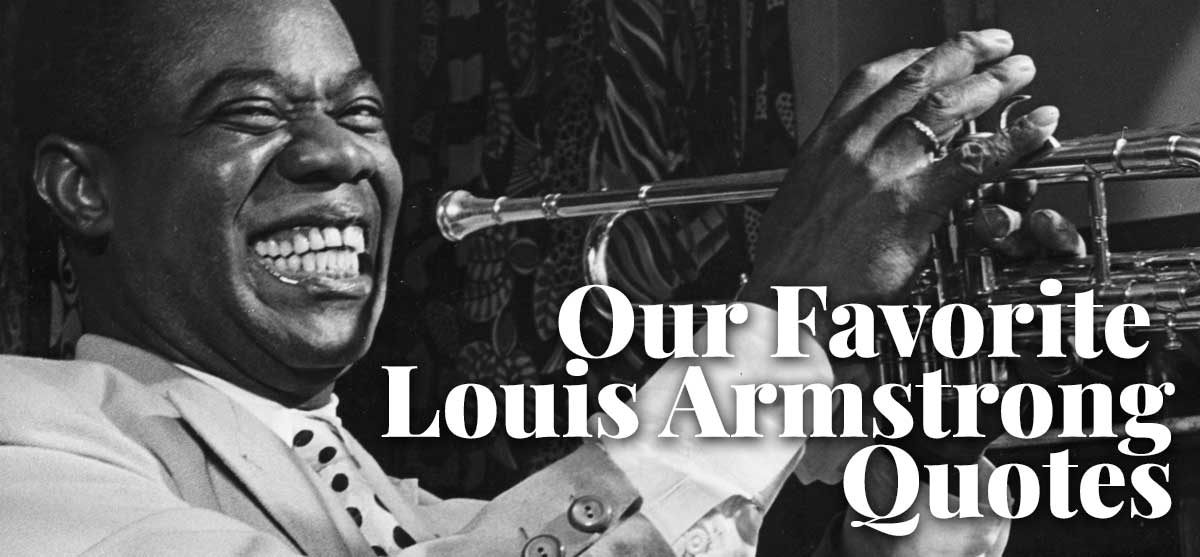
What’s the first Louis Armstrong quote that pops into your head?
His words about music, life, and that wonderful world always stay with us.
We’ve got a whole collection to share on the blog – check it out!
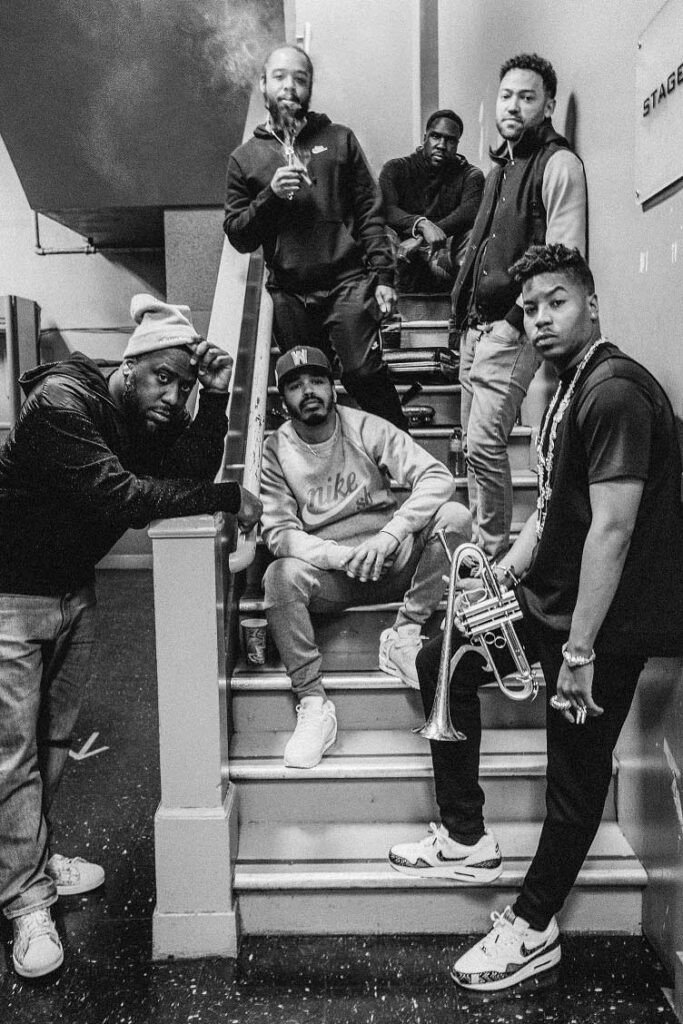
BADBADNOTGOOD: Profile and Complete Discography

Explore the world of BADBADNOTGOOD with our Band Profile and Complete Discography!
Dive into their unique fusion of jazz, hip-hop, and electronic music, tracing their evolution from breakthrough artists to global sensations.
Our guide covers all their albums making it a must-read for fans and newcomers alike.
The Ultimate Jazz Glossary
Dive into the heart of jazz with The Ultimate Jazz Glossary on Nextbop.com!
Unlock the secrets of jazz legends, explore groundbreaking concepts, and decode the language of this mesmerizing art form.
Whether you’re a jazz aficionado or a curious newcomer, our glossary is your ticket to a deeper understanding and love of jazz.
Start your journey into the soul of music today!
Most Popular Content
Best Jazz Albums of All Time

Jazz is a culturally rich music that has evolved tremendously over the last century, from jazz big bands to bebop, from hard bop to free jazz, and so much more.
So our list of the Best Jazz Albums of All Time aims in no way, shape, or form to be definitive and all-encompassing. We simply hope it will provide some avenues of exploration for you to fall in love with the vibrant contemporary art form that is jazz music!
So read on and discover some of the greatest jazz albums ever recorded by icons, the likes of Miles Davis, Herbie Hancock, John Coltrane, Robert Glasper, Wayne Shorter, Wynton Marsalis and more!!
Best Jazz Clubs in NYC: The Definitive Guide

New York City is a mecca for jazz enthusiasts, boasting an impressive array of world-class jazz clubs.
From historic venues that have hosted legends like John Coltrane and Miles Davis to cutting-edge clubs showcasing today’s most innovative young artists, NYC offers something for every jazz fan.
Check out our list of Best Jazz Clubs in NYC, where we explore the top jazz clubs in NYC, taking you on a tour of the rich history, vibrant present, and promising future of the New York jazz scene.
Exploring the Timeless Brilliance of Herbie Hancock’s 15 Greatest Hits
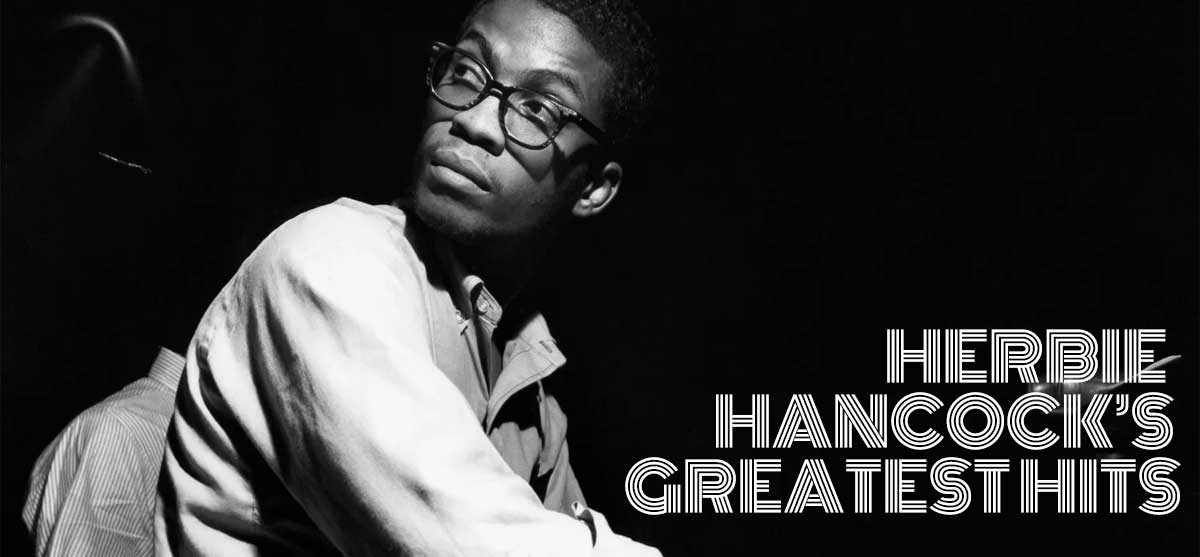
Herbie Hancock, an iconic figure in the world of jazz music, has left an indelible mark on the genre with his innovative compositions and groundbreaking performances.
His influence on jazz is immeasurable, and his hits continue to captivate audiences worldwide. In this article, we’ll delve into the evolution of Herbie Hancock’s sound and celebrate some of his most enduring hits.
From ‘What’s Going On’ to ‘Sexual Healing’: Marvin Gaye’s 18 Most Popular Songs

Marvin Gaye, often hailed as the “Prince of Soul,” stood as a legendary American singer, songwriter, and record producer, leaving an indelible mark on the hearts and souls of millions worldwide.
His velvety and soulful voice crafted a musical legacy that maintains its enthrallment over audiences to this very day.
Within this article, we embark on a journey through Marvin Gaye’s illustrious discography, delving into some of his most popular songs, and exploring the profound emotions and themes that solidified his status as an icon.
From ‘Take the A Train’ to ‘In a Sentimental Mood’: Unveiling the 20 Most Famous Duke Ellington Songs
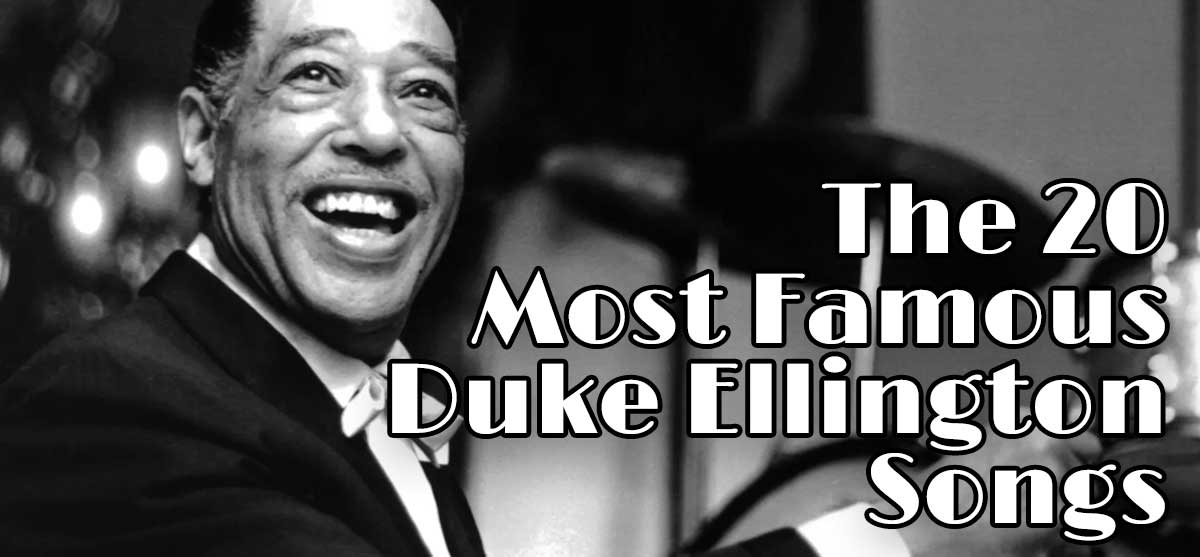
Duke Ellington, a luminary in the world of jazz and a true maestro of musical innovation, has gifted us with a treasury of timeless melodies that transcend generations.
In this article, we embark on a journey through the illustrious career of Duke Ellington, unveiling the 20 most famous Duke Ellington songs that have left an indelible mark on the annals of music history.
Best Rap Songs that Sample Jazz
Making a list of the best rap songs that sample jazz is a near-impossible task and there’s probably not enough ink on the internet to shout out all the great music deserving of praise.
So what we did here is compile some of our recent favorites with a special emphasis on newer artists (because we all know that if we start getting into the likes of A Tribe Called Quest, Gang Starr, and Digable Planets, we’ll be here for decades…)
Check out our list of best rap songs that sample jazz including music by Joey Badass, Westside Gunn, Talib Kweli, Mach-Hommy and more!
Newest Content
Jazz Musician Interviews

Explore Nextbop’s exclusive interviews with leading jazz musicians, offering in-depth insights and personal stories from the jazz world.
Mark Guiliana: Jazz Drummer Profile and Complete Discography
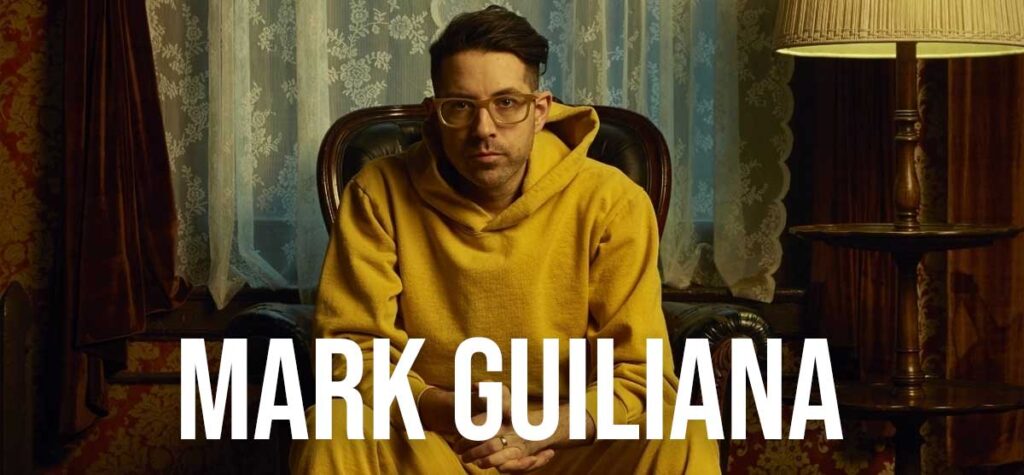
Explore Mark Guiliana‘s evolution as a drummer with an overview of his entire discography with his jazz quartet, Brad Mehldau, Beat Music & more!
Best of Jazz Articles

Dive into ‘Best of Jazz Articles‘ on Nextbop Jazz Blog, showcasing expert insights and deep dives into the world of jazz, from legends to new trends.
Best Covers for Songs: Jazz Edition
Explore ‘Best Covers for Songs: Jazz Edition‘ on the Nextbop Jazz Blog, featuring a curated selection of classic and contemporary jazz covers.
Best Gifts for the Jazz Vinyl Record Collector in Your Life

Dive into our curated selection of the best new jazz vinyl records featuring legends like Miles Davis, Thelonious Monk, and Bill Evans.
Our guide, Best Gifts for the Jazz Vinyl Record Collector in Your Life, showcases timeless classics and must-have albums for every jazz enthusiast.
Click to explore and find the perfect additions to your collection, from iconic figures to groundbreaking sounds in jazz.
Best Everybody Wants to Rule the World Covers
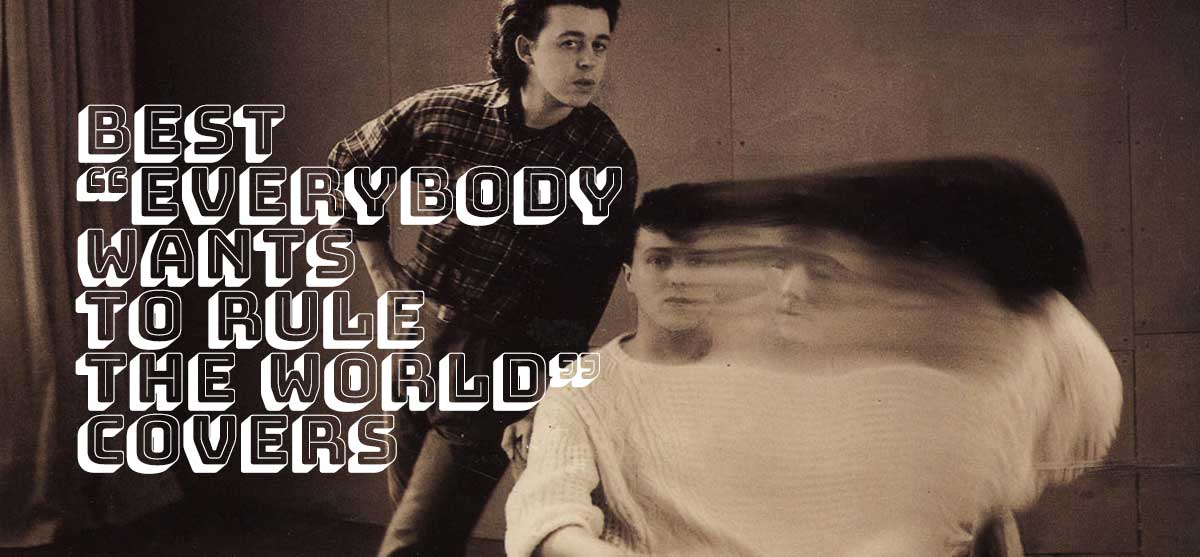
Tears for Fears‘ “Everybody Wants to Rule the World” is one of the eponymous anthems of the 80s and the song remains just as satisfying today as it ever was,
But since it’s initial 1985 release, “Everybody Wants to Rule the World” has been covered and revisited numerous times by a slew of incredibly talented artists and we felt compelled to highlight some of our favorites including music by the likes of Robert Glasper, Lettuce, Scary Pockets ft. Cory Henry and more!
So if you’re like us and want to rule the world one day, why not start by jamming out to some good music?
Unveiling the Legacy: Exploring the 22 Best Otis Redding Songs
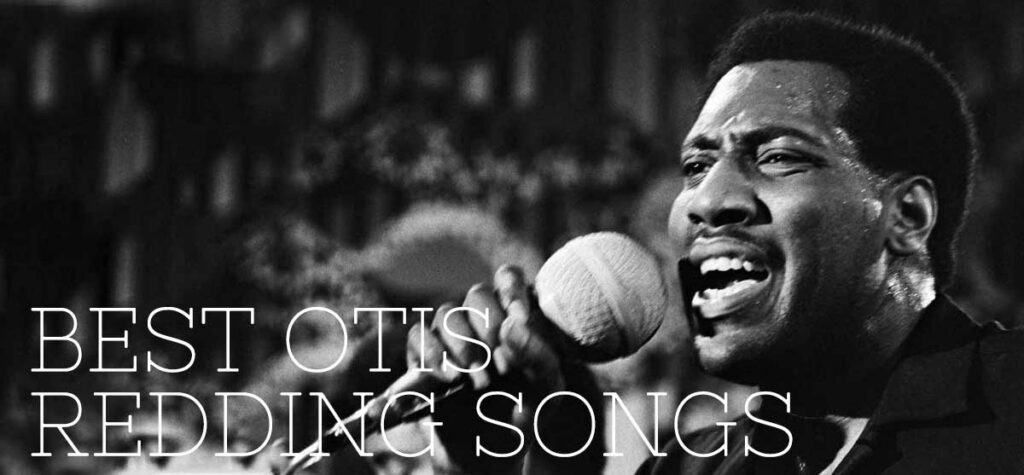
Immerse yourself in the unforgettable sounds of soul music. Let Otis Redding’s top 22 songs transport you, with classics like “(Sittin’ On) The Dock of the Bay” and the raw emotion of “These Arms of Mine.” It’s a musical journey you won’t forget.pen_spark
Angélika Beener: A Confluence of Music, Writing, and Activism
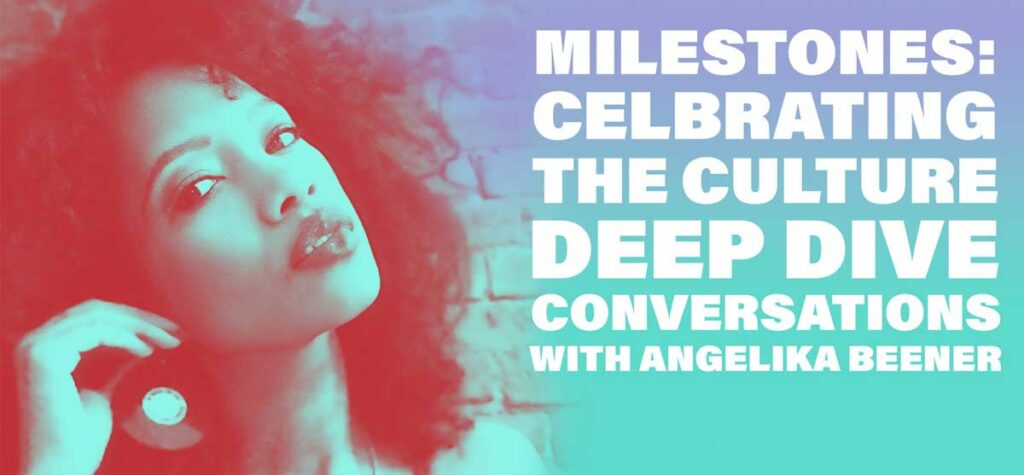
Angélika Beener is a New York City native, award-winning journalist, DJ, host, and producer who has made significant contributions to the worlds of writing, music, and activism.
Blog
-

An Interview with Tigran Hamasyan
I met Tigran Hamasyan at a Montreal Starbucks hours before his solo piano show at L’Astral on February 11th. He exuded a quiet composure, his thoughtful answers offering a counterpoint … Read more
-

Herbie Hancock’s Butterfly: Analysis of Jazz Covers
Read our critical analysis of jazz covers of Herbie Hancock’s “Butterfly” composition, including notable versions Robert Glasper, Norman Connors, Gretchen Parlato and more! Read more
-
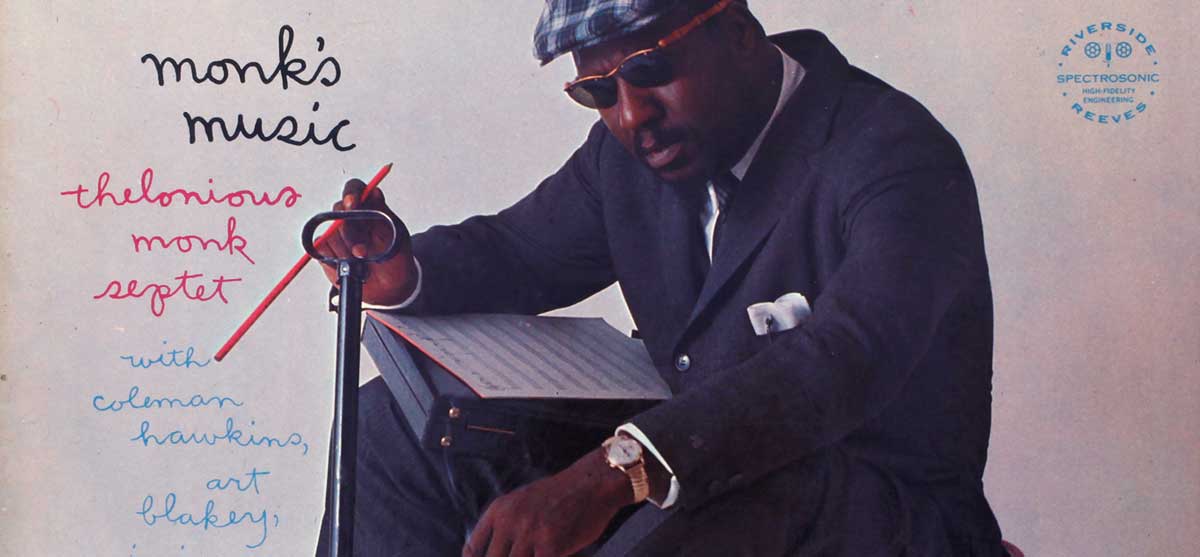
Thelonious Monk’s Crepuscule with Nellie: Analysis of Jazz Covers
Read our critical analysis of jazz covers of Thelonious Monk’s “Crepuscule with Nellie” composition, including notable versions by Jason Moran, Greg Lewis and more! Read more
-
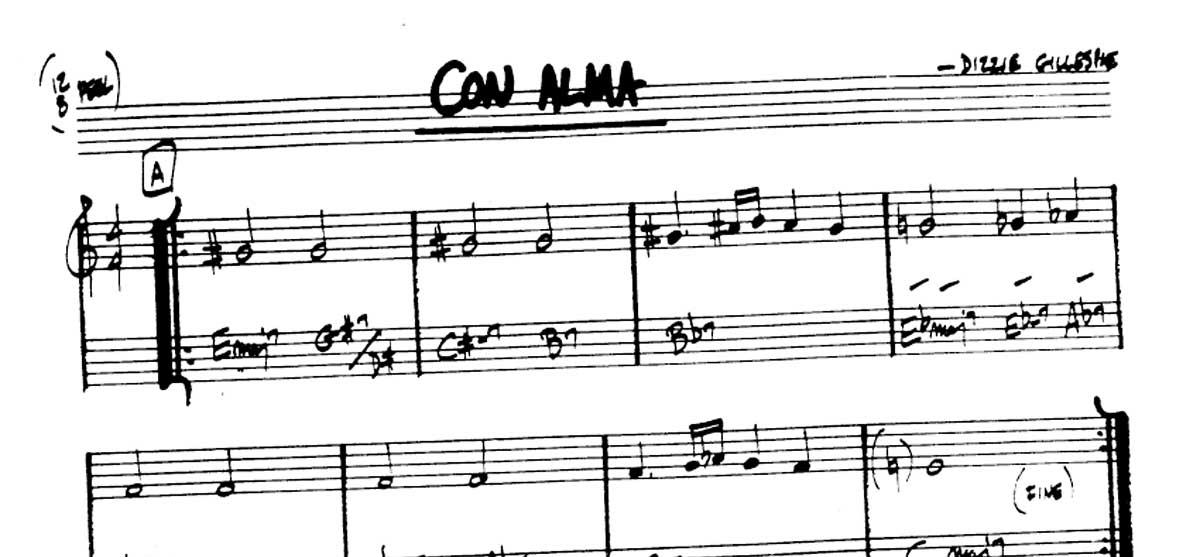
Dizzy Gillespie’s Con Alma: Analysis of Jazz Covers
Read our critical analysis of jazz covers of Dizzy Gillespie’s “Con Alma” composition, including notable versions by by Stan Getz, Gerald Clayton, Aaron Parks, Ben Wendel, and more! Read more
-
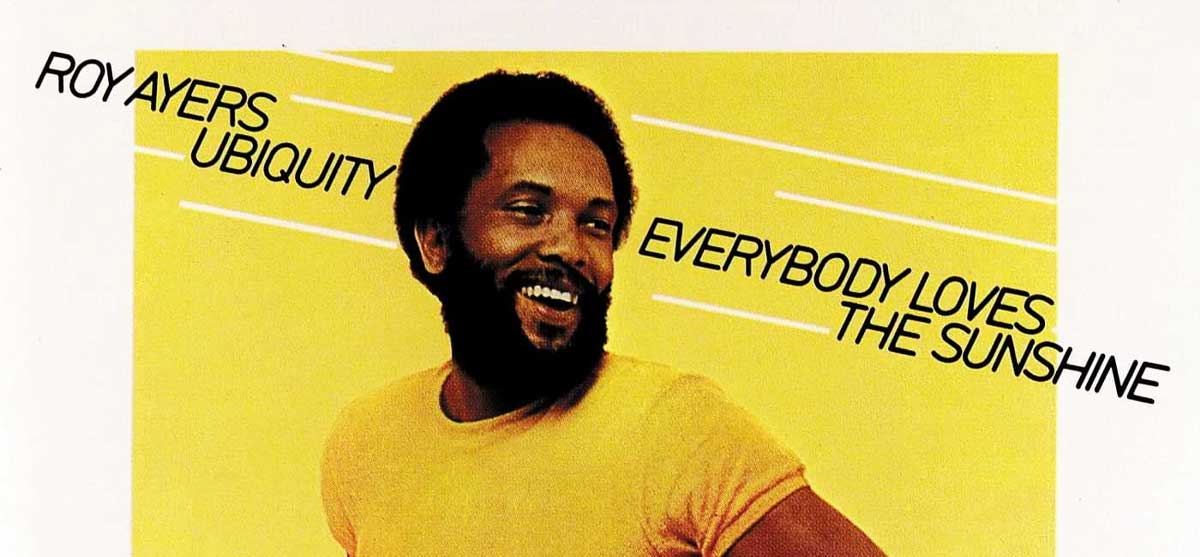
The 10 Best Everybody Loves the Sunshine Covers
Stream the 10 best Roy Ayers’ Everybody Loves the Sunshine covers by Robert Glasper, D’Angelo, Kiefer, Jamie Cullum and Seu Jorge and more! Read more
-
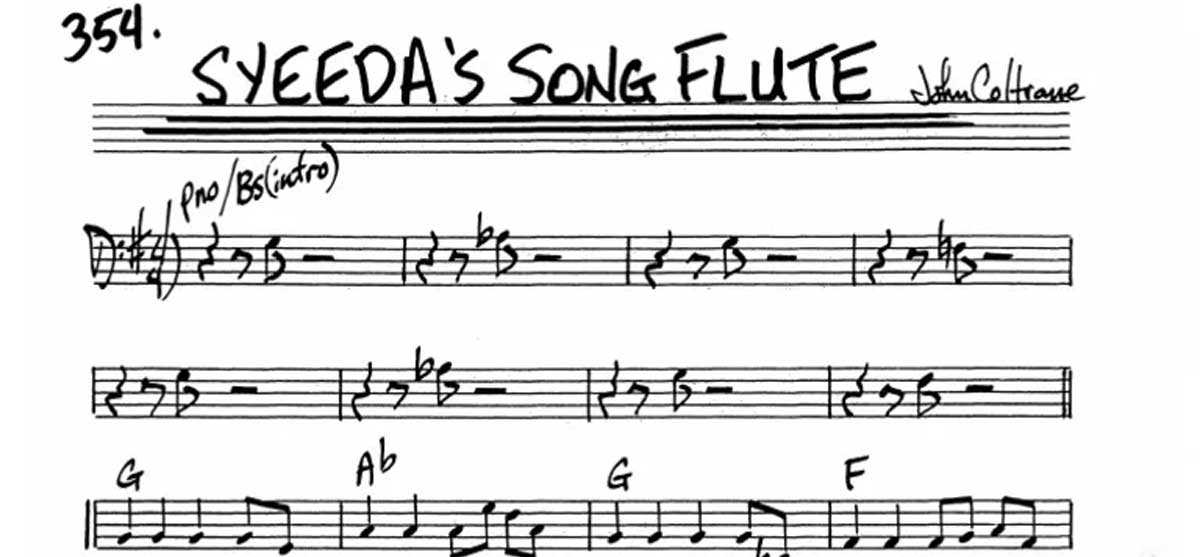
John Coltrane’s Syeeda’s Song Flute: Analysis of Jazz Covers
Read our critical analysis of jazz covers of John Coltrane’s “Syeeda’s Song Flute” composition, including notable versions by Tommy Flanagan, James Carter, Medeski Martin & Wood, Matt Wilson and more! Read more
-
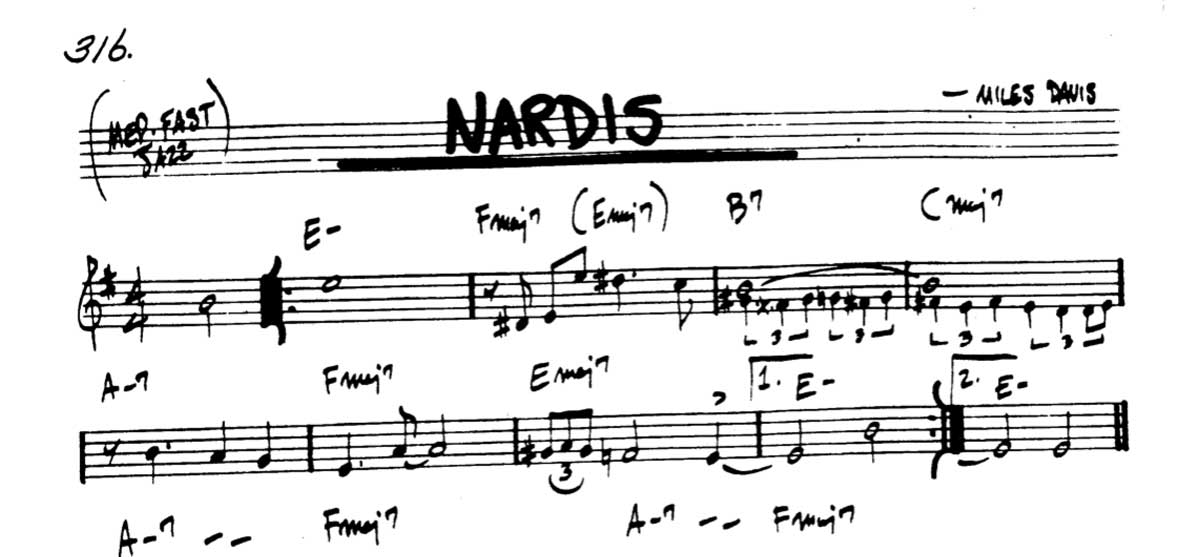
Miles Davis’ Nardis: Analysis of Jazz Covers
Read our critical analysis of jazz covers of Miles Davis’ “Nardis” composition, including notable versions by Bill Evans, Cannonball Adderley, Charlie Haden, Joe Henderson and more! Read more
-
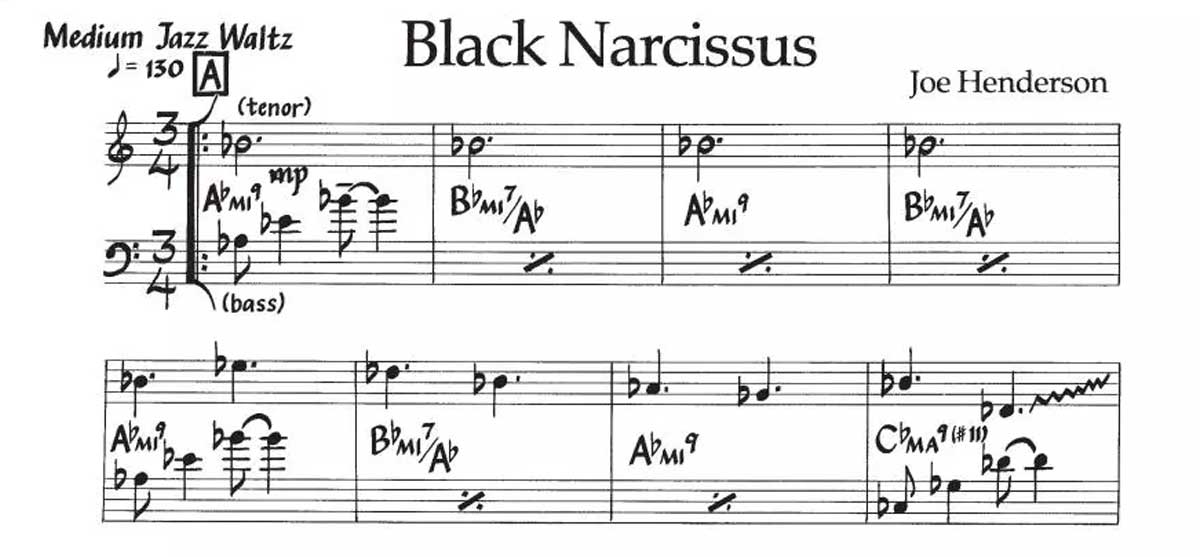
Joe Henderson’s Black Narcissus: Analysis of Jazz Covers
Read our critical analysis of jazz covers of Joe Henderson’s “Black Narcissus” composition, including notable versions by Stanley Clarke, Renee Rosnes, Dayna Stephens, Helen Sung, Kevin Hays and more! Read more
-
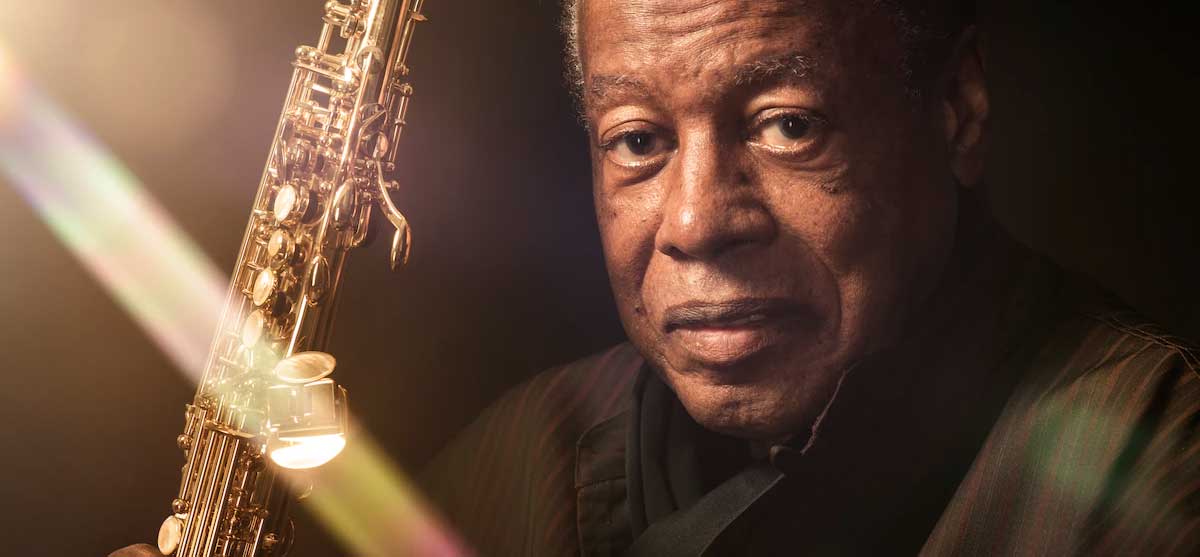
Wayne Shorter’s “Fall”: Analysis of Jazz Covers
Read our critical analysis of jazz covers of Wayne Shorter’s “Fall” composition, including notable versions by Miles Davis, Gilad Hekselman and Jesse Fischer! Read more
-
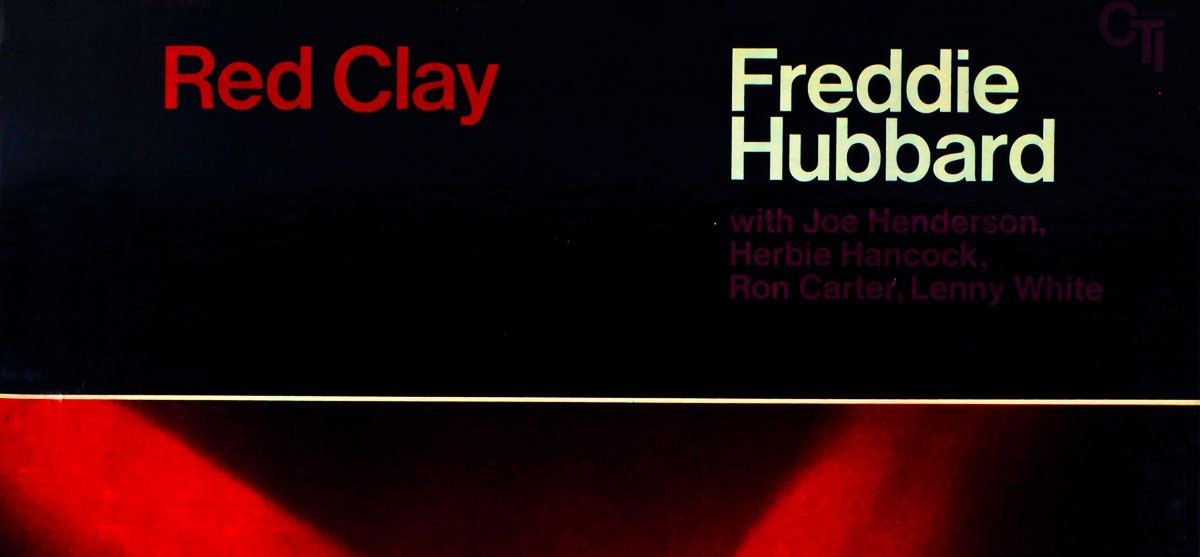
Freddie Hubbard’s Red Clay: Analysis of Jazz Covers
Stream five versions of Freddie Hubbard’s “Red Clay” including jazz covers by Jose James, The V.S.O.P. Quintet, and Soil & Pimp Sessions! Read more
-
The Pitchfork of Jazz
Some time ago, never mind when, I spent my usual time making my travels across the internet, hitting up my normal gamut of websites. As link leads on to link … Read more
-
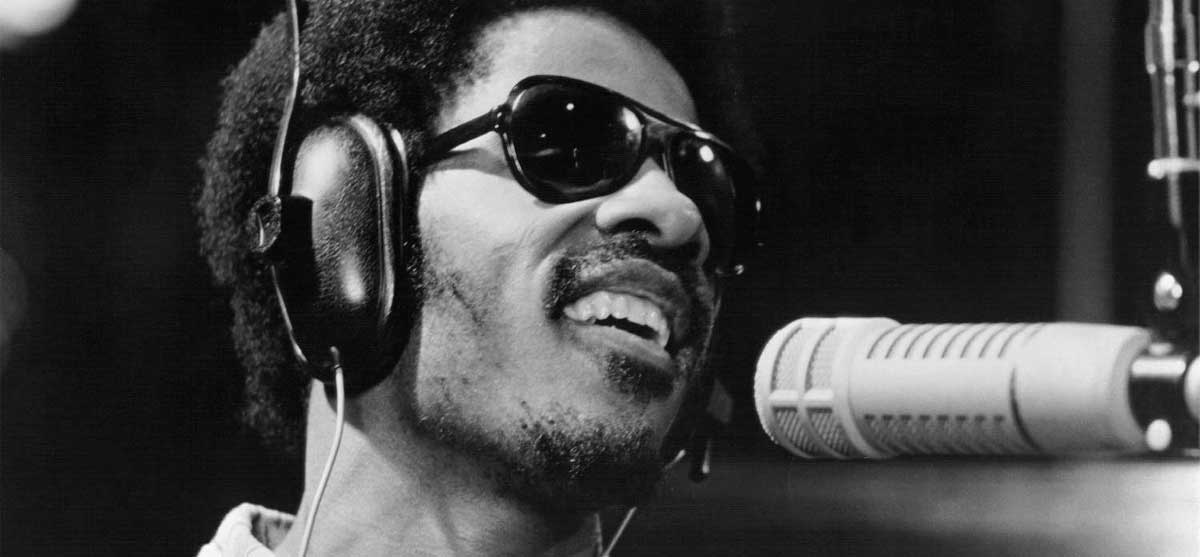
Stevie Wonder’s Isn’t She Lovely: Analysis of Jazz Covers
Stream Stevie Wonder’s “Isn’t She Lovely” plus four other notable jazz covers of the song by Sonny Rollins, Arturo Sandoval, Aaron Golberg and Jacky Terrasson! Read more
-
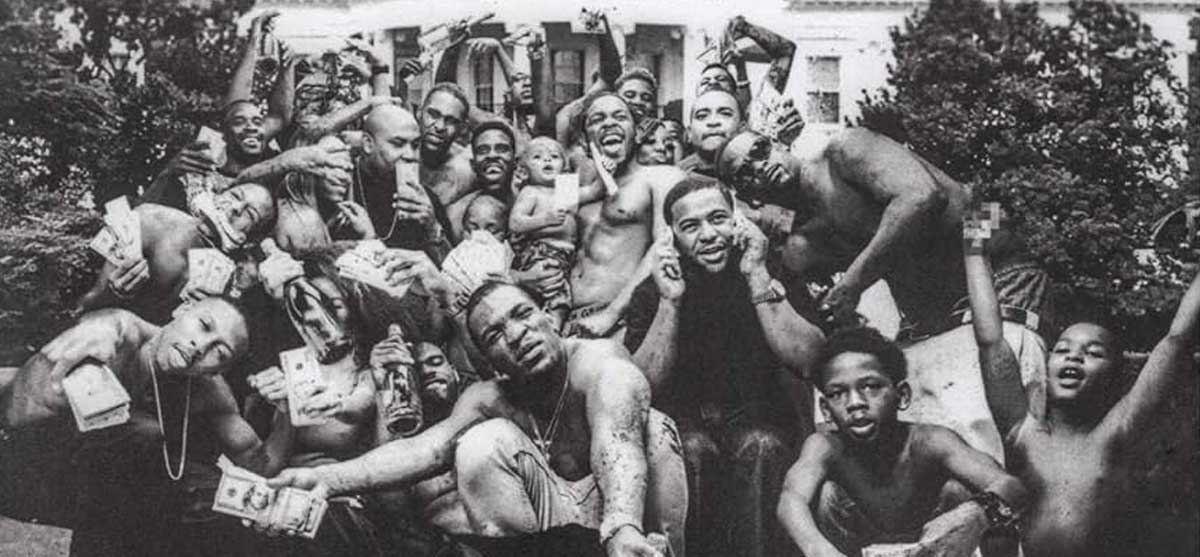
The Musicians Behind Kendrick Lamar’s ‘To Pimp A Butterfly’
Buy: To Pimp A Butterfly Vinyl LP In an era where music releases are meticulously planned, Kendrick Lamar‘s To Pimp A Butterfly emerged almost as if by serendipity, mirroring the … Read more
-
Frank Ocean and BADBADNOTGOOD Deliver Unforgettable Performance at Coachella 2012
Coachella 2012 witnessed a mesmerizing collaboration that left attendees and music enthusiasts worldwide spellbound. The opening day of the festival saw Frank Ocean, an artist known for his soulful melodies … Read more
-
‘The Thompson Fields’ – An Interview with Maria Schneider
On Wednesday, June 24th, 2015, we spoke with Maria Schneider at length about her new album The Thompson Fields, her musical upbringing, the future of big bands, the ArtistShare platform, … Read more
-
Relevant to His Time: An Interview with Robert Glasper
Read our 2012 interview with jazz pianist Robert Glasper discussing his then-upcoming album Black Radio, his musical influences, and the future of jazz music. Read more
-
Equipoise: A Critical Analysis of Covers
Read Ben Gray’s critical analysis of jazz covers of Stanley Cowell’s “Equipoise” composition, including notable versions by Willie Jones III, Max Roach, Jack DeJohnette and more! Read more
-

Aaron Parks’ ‘Invisible Cinema’ Sheet Music (Free PDF Download)
Download Aaron Parks’ ‘Invisible Cinema’ sheet music free of charge in PDF format courtesy of Aaron Parks himself. Read more
-
Lonely Woman: A Critical Analysis of Covers
Read Ben Gray’s critical analysis of jazz covers of Ornette Coleman’s “Lonely Woman” composition, including notable versions by Branford Marsalis, Brad Mehldau, Charlie Haden, and more! Read more
-

Watch the Video for Jim Hart and Ivo Neame’s “Transference”
Pianist Ivo Neame, one-third of the powerhouse trio Phronesis, is bringing to life a new project in collaboration with vibraphonist and drummer Jim Hart. Multiverse, slated for a February 21st … Read more